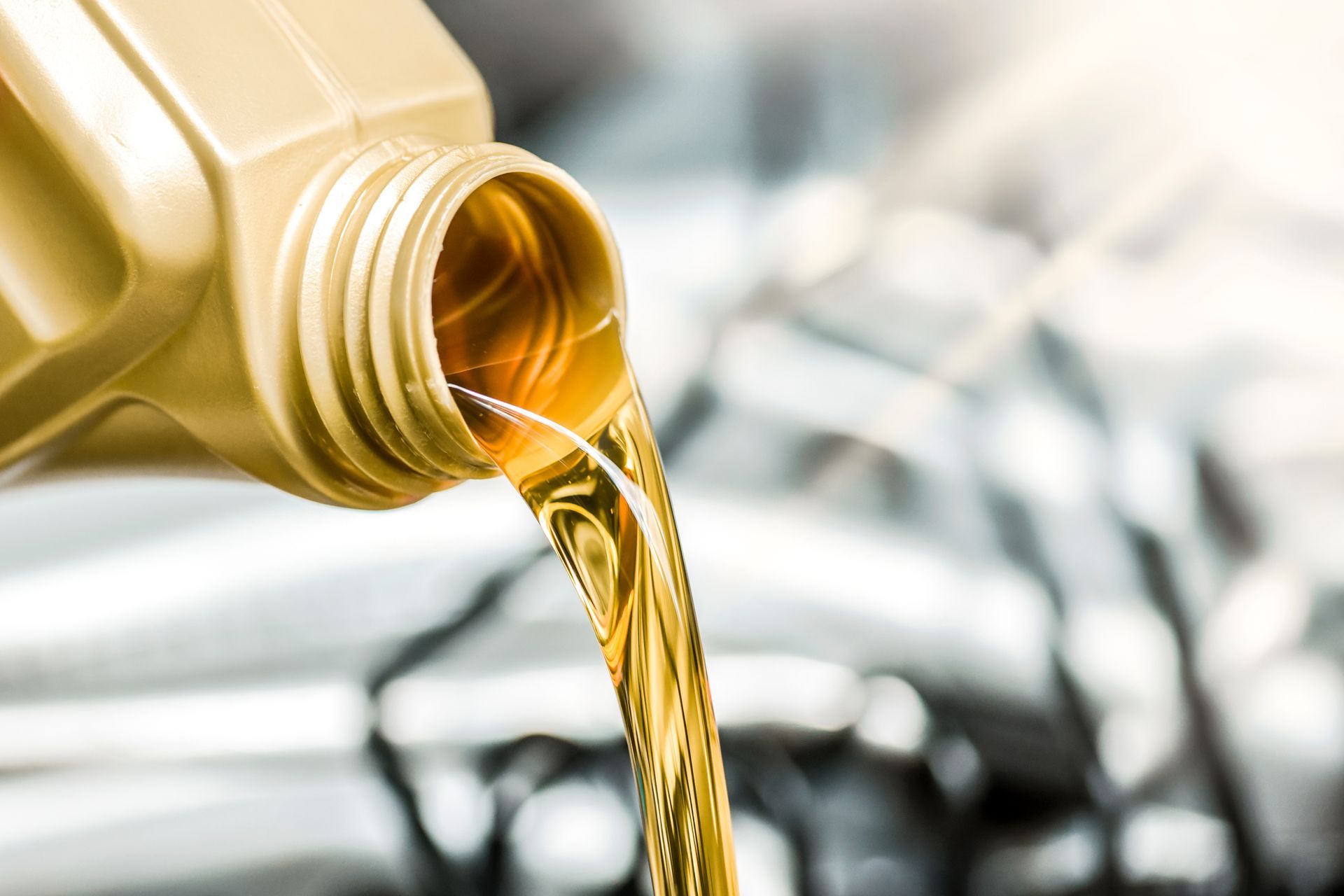
“Should I get my oil changed now, or wait until the season shifts?” That’s a question you’ll hear often around Wasilla, Alaska. Locals know the routine: freezing mornings in January, muddy potholes in April, dust clouds on Knik-Goose Bay Road in July, and the first frosty mornings of October. It’s no wonder people wonder about the
best time for oil change in our corner of Alaska. After all, nobody wants to deal with an engine problem when it’s -10°F outside.
One seasoned mechanic puts it this way:
“Changing your oil at the right time is like putting on the right boots for the weather—you can get by without it for a bit, but you’ll regret it when the conditions turn rough.”
Breaking It Down: What We Mean by “Best Time”
The best time for oil change doesn’t mean there’s only one golden month. It means finding the smartest intervals to protect your engine based on Wasilla’s unique driving environment. Motor oil is your engine’s lifeblood—it lubricates, keeps parts cool, and clears away contaminants. But when oil breaks down, especially under extreme conditions, the protection fades fast.
In short: in Alaska, it’s not just about mileage. It’s about syncing oil changes with the seasons to match real-world wear and tear.
Why Wasilla’s Climate Changes the Game
Drivers in places like Arizona or Florida may not think twice about weather, but in Wasilla, it’s a different story:
- Winter woes: Subzero mornings make oil thicken, slowing flow and stressing the engine.
- Spring thaw: Water, grit, and slush sneak into every crack and crevice—including your oil system.
- Summer adventures: Dusty gravel roads and road trips to Denali or Anchorage can clog filters and overwork the engine.
- Fall prep: The first frosts are a reminder that winter’s coming, and you don’t want old oil gumming things up.
Tip from the shop floor:
“If you wait too long, you’ll smell it. Burnt oil has a sharp, bitter odor—and by the time you notice it, the damage may already be done.”
Seasonal Strategy: When to Book an Oil Change in Wasilla
Autumn Tune-Up (October–November)
Before the icy season hits, switching to oil that flows easily in cold weather keeps your vehicle ready for those dark morning starts. A fall oil change also gives mechanics a chance to check antifreeze levels, heaters, and belts before snow piles up.
Spring Refresh (March–April)
After months of moisture, idling, and plowing through slush, oil is usually dirty and sluggish. A fresh oil change helps your engine breathe easier as roads dry out and driving picks up again.
Summer Checkpoint (June–July)
Wasilla summers mean camping, fishing trips, and long drives. Dust and heat both break down oil faster. A summer oil change keeps your engine humming, even when hauling gear or climbing mountain roads.
Pro insight:
“Think of it as seasonal maintenance—like swapping tires or checking wipers. Oil changes are small, but they prevent big, expensive problems.”
What’s Included in a Quality Oil Change?
Getting your oil changed is more than just swapping old oil for new. A good service usually includes:
- Draining the used oil to flush out contaminants.
- Installing a fresh oil filter to keep new oil clean.
- Refilling with the right oil grade, often synthetic for Alaskan conditions.
- Checking other fluids and belts, because small issues can escalate fast here.
Many Wasilla mechanics also look at brakes, tires, and heating systems during fall changes—it’s part of staying winter-ready.
Why Oil Change Timing Truly Matters
The benefits of syncing oil changes with Alaska’s seasons go beyond just following a schedule:
- Reliable cold starts in winter with the right viscosity.
- Longer engine life thanks to reduced friction.
- Better gas mileage, since clean oil helps engines run smoother.
- Confidence on the road, knowing your car is ready for Wasilla’s changing conditions.
According to the American Automobile Association (AAA), timely maintenance can prevent nearly half of https://eztauto.com/blog/importance-of-regular-oil-changes/ In a place where being stranded isn’t just inconvenient—it’s unsafe—that’s worth listening to.
Case Study: A Wasilla Commuter’s Wake-Up Call on Oil Changes
Take Mary, who commutes from Wasilla to Palmer every day. One winter she decided to delay her oil change, thinking she’d “wait until spring.” But after a string of subzero mornings, her SUV started making knocking sounds and struggled to start. A quick trip to a local mechanic revealed oil that had thickened and lost its protective properties.
After that, Mary switched to a fall-and-spring oil change schedule. Her SUV runs quieter, fuel economy improved, and she hasn’t had a cold-start issue since.
The Expert Perspective: Backed by Data
The U.S. Department of Energy notes that fresh oil can improve fuel efficiency by 1–2%. It may not sound like much, but on long Alaska drives, it saves money. Automakers like Ford, Toyota, and Chevy also note that “severe driving conditions” shorten oil life—and Wasilla’s mix of cold, dust, and towing qualifies.
One mechanic summed it up well:
“Alaska is tough on cars. Treat them kindly, and they’ll keep you moving when the weather turns ugly.”
Best Oil Change Times in Wasilla
When it comes to the best time for oil change in Wasilla, Alaska, the answer is clear:
- Fall to prepare for winter.
- Spring to recover from cold-weather strain.
- Summer to gear up for long trips and dusty roads.
By aligning oil changes with the seasons, you’re giving your car exactly what it needs, when it needs it.
If you’re in Wasilla and need reliable auto care,
EZT Auto and Transmission Repair LLC has you covered. Beyond oil changes, our team provides brake service, heating and cooling repairs, transmission work, and complete vehicle inspections. Drivers count on us for clear diagnostics, quality parts that meet OEM standards, quick service, and straightforward warranty details.
Get your car ready for Alaska’s changing seasons—schedule your oil change or inspection with EZT today.