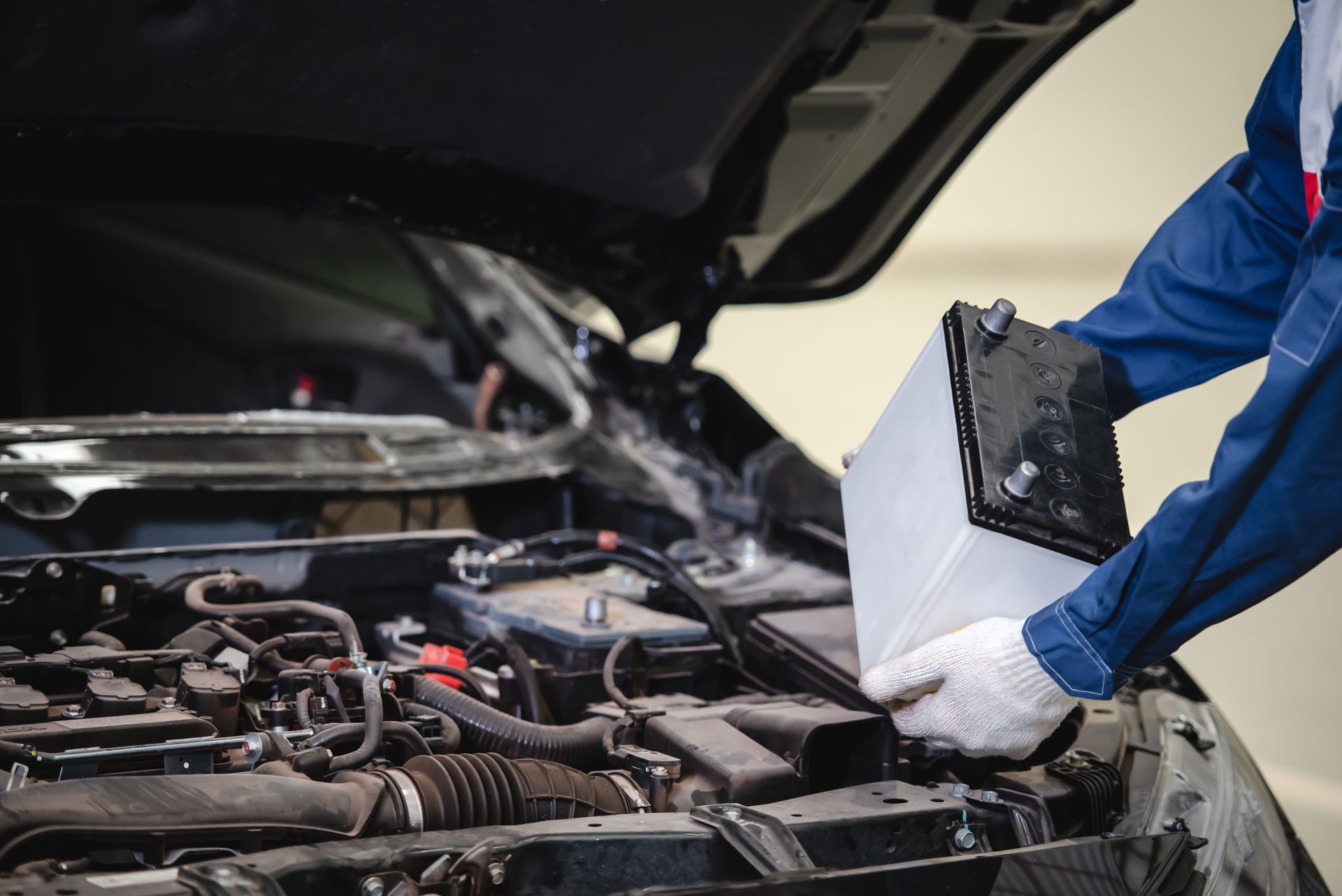
How These Services Work: A Mechanic’s Step-By-Step
What Happens During a Lube Service
Here’s the process most Wasilla mechanics follow, especially on trucks that see construction sites or hunting trails:
- Raise the vehicle to access steering and suspension components.
- Locate grease fittings on ball joints, U-joints, pitman arms, idler arms, or sway bar links.
- Apply fresh grease until the old, dirty grease is pushed out.
- Inspect wear points for cracking, looseness, or contamination.
- Check for unusual movement that might hint at future steering issues.
Mechanic’s Tip:
If you hear a creak or groan when turning or going over bumps, it might just need lubrication—not an expensive part replacement.
What Happens During an Oil Change
This service is more universal and usually takes 20–45 minutes, depending on the vehicle.
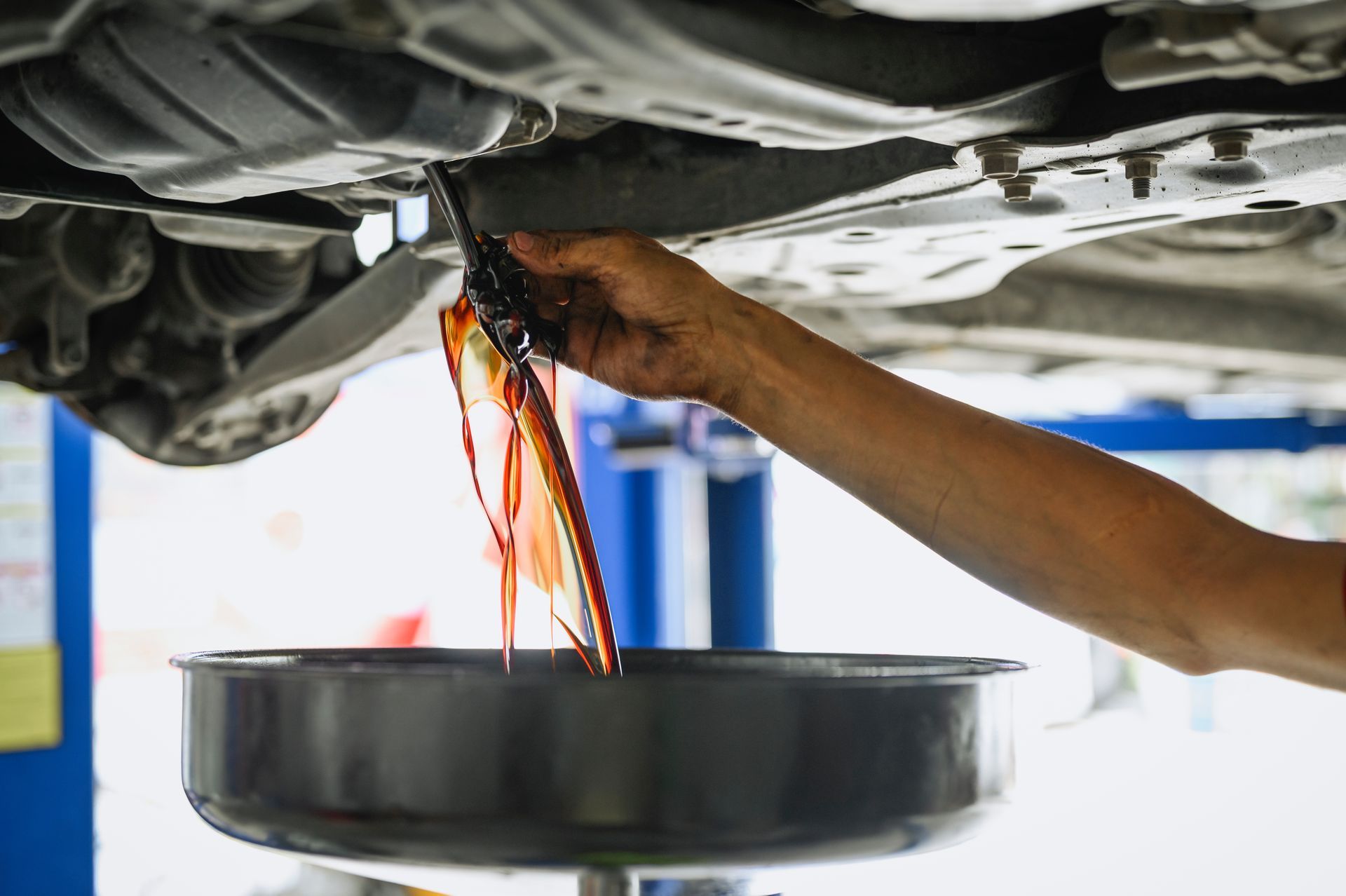
- Drain old oil while the engine is warm (helps remove more contaminants).
- Remove the old filter, making sure the gasket comes off cleanly.
- Install a new filter, lightly lubricating the seal.
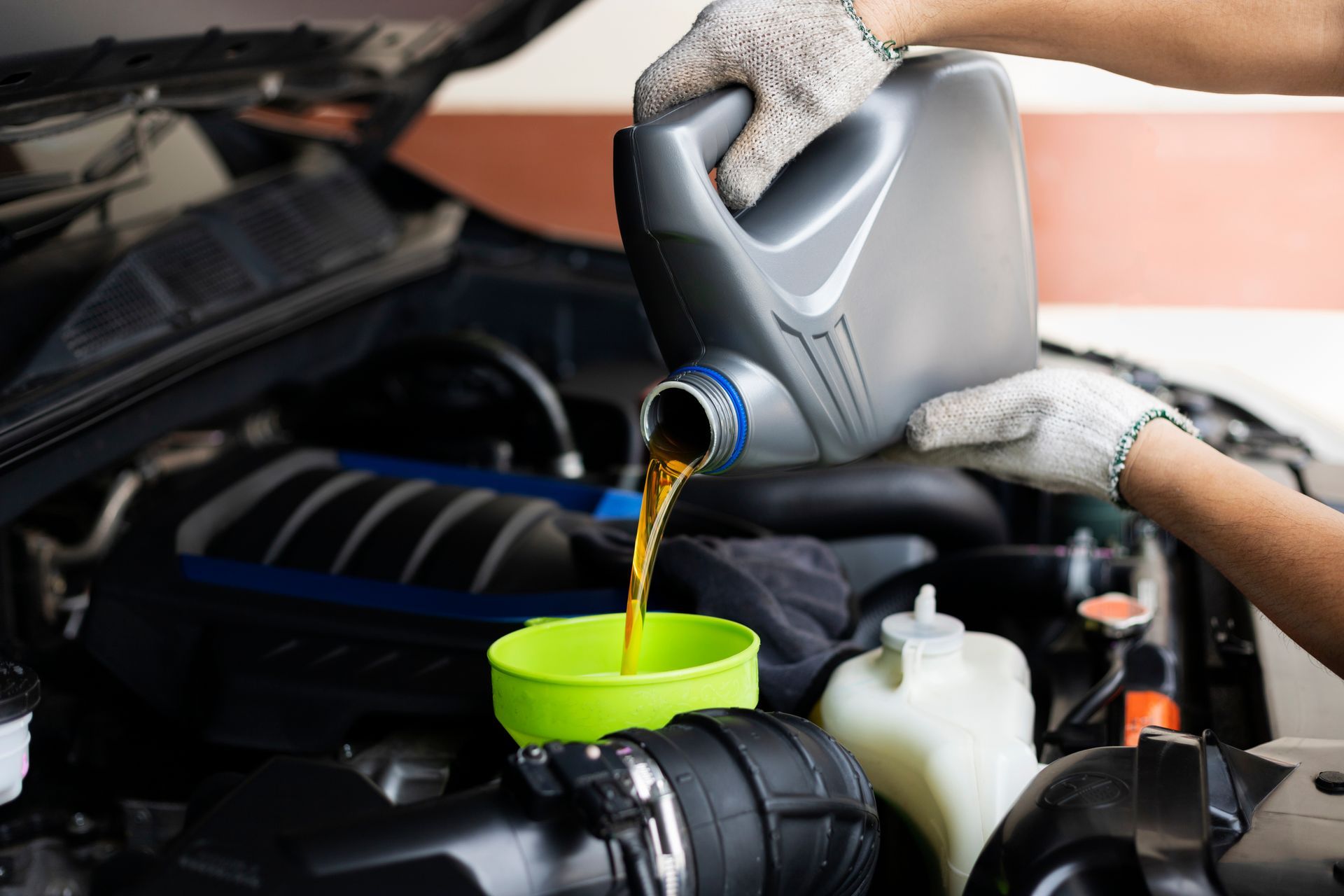
- Fill with fresh oil based on the manufacturer’s specs.
- Reset maintenance lights and verify no leaks.
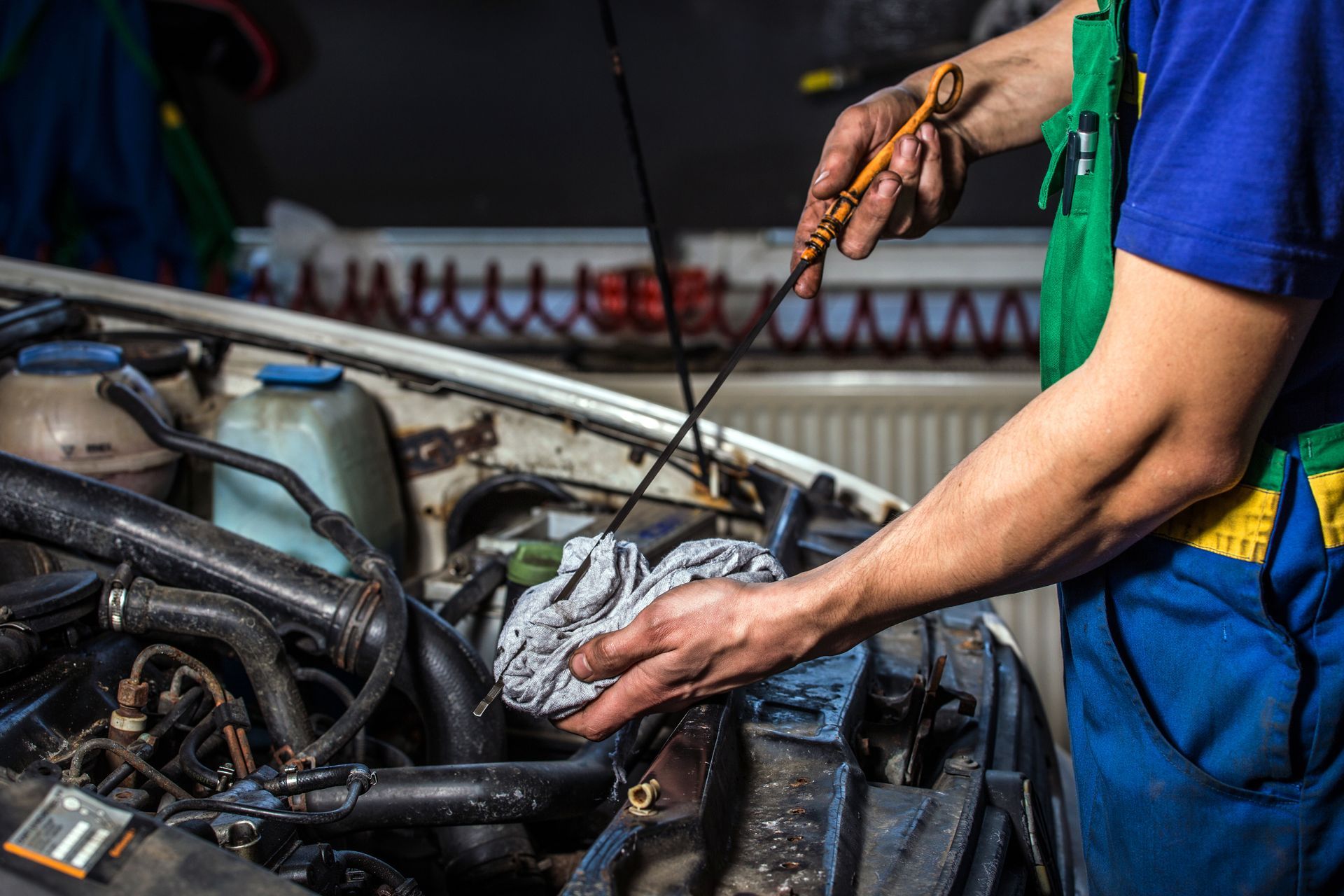
- Check other fluids like coolant, brake fluid, and power steering fluid.
Mechanic’s Tip:
Drivers who take short trips around Wasilla—like daily runs from Palmer to the Parks Highway—should consider more frequent oil changes because engines rarely warm up enough to burn off moisture.
Why This Difference Matters in Alaska’s Driving Conditions
Wasilla drivers face some genuinely harsh conditions:
- Winter temps below zero
- Unpaved roads and gravel that kick debris into joints
- Frequent towing of snowmachines, trailers, and boats
- Stop-and-go traffic around the Palmer-Wasilla Highway
Because of this, chassis components often dry out or wear faster than they would in lower-48 climates.
Why a Lube Matters Here
Lubricating these parts keeps steering responsive and prevents metal-on-metal wear—important when you rely on your truck on slippery winter roads.
Why Oil Changes Matter Even More
Cold temperatures thicken oil, making the engine work harder. According to the
American Automobile Association (AAA), clean oil reduces engine strain and helps maintain proper lubrication even in freezing weather.
A study from
SAE International also shows that degraded oil increases friction, fuel use, and internal wear.
This evidence reinforces what most Alaska mechanics see daily: well-timed oil changes help engines last longer in cold climates.
How Two Simple Services Solved Two Very Different Wasilla Car Issues
One local driver came in with a “grinding” noise during slow turns. They assumed it was the front differential or wheel bearings. After a quick inspection, the technician found the steering linkage had completely dried out—no grease left in the fittings.
A simple lube service fixed the noise and restored smoother steering instantly.
Another driver came in with thick, dark oil, even though the dashboard said they still had 1,800 miles left. Their short winter drives never let the oil heat up enough to cycle properly. The oil change reset everything, and the engine sounded noticeably quieter afterward.
These real-world examples show how lube vs oil change issues appear differently, but both have big impacts on reliability.
Authority-Backed Data That Supports These Services
To help clarify when each service matters, here are insights from reputable sources:
- AAA reports that worn suspension components can lead to unstable steering and uneven tire wear—up to 30% more rapid wear on rough roads.
- SAE International confirms engine wear accelerates when oil loses viscosity or becomes contaminated.
- NAPA AutoCare recommends maintaining lubrication points on vehicles that still have grease fittings to prevent steering failure and premature component damage.
These organizations’ research lines up with what Alaska technicians handle every day.
Wrapping Up: What Wasilla Drivers Should Remember
Knowing the difference between lube vs oil change helps you take better care of your vehicle, especially in a place with weather and terrain as tough as Wasilla.
A lube protects your steering and suspension.
An oil change protects your engine.
Both matter—just for different reasons.
When you’re ready for maintenance, EZT Auto and Transmission Repair LLC provides complete oil change services, chassis lubrication where applicable, and thorough inspections to keep your vehicle running reliably on Alaska roads. Reach out anytime to schedule a visit or ask questions about your vehicle’s needs.