You hop into your car on a frosty Wasilla morning, turn the key, and notice it cranks a little slower than usual. That sluggish start might not just be the cold — it could be from using wrong oil type that’s too thick to flow properly. In Alaska’s freezing temps, the wrong oil can make your engine work harder before it even warms up.
Over time, that small mistake can
turn into real damage — from worn parts to unexpected breakdowns on the Parks Highway. Wasilla drivers face some of the toughest conditions on vehicles, from icy commutes to dusty summer roads. Choosing the right oil means your car stays protected no matter what Alaska throws your way.
What “Using the Wrong Oil Type” Really Means
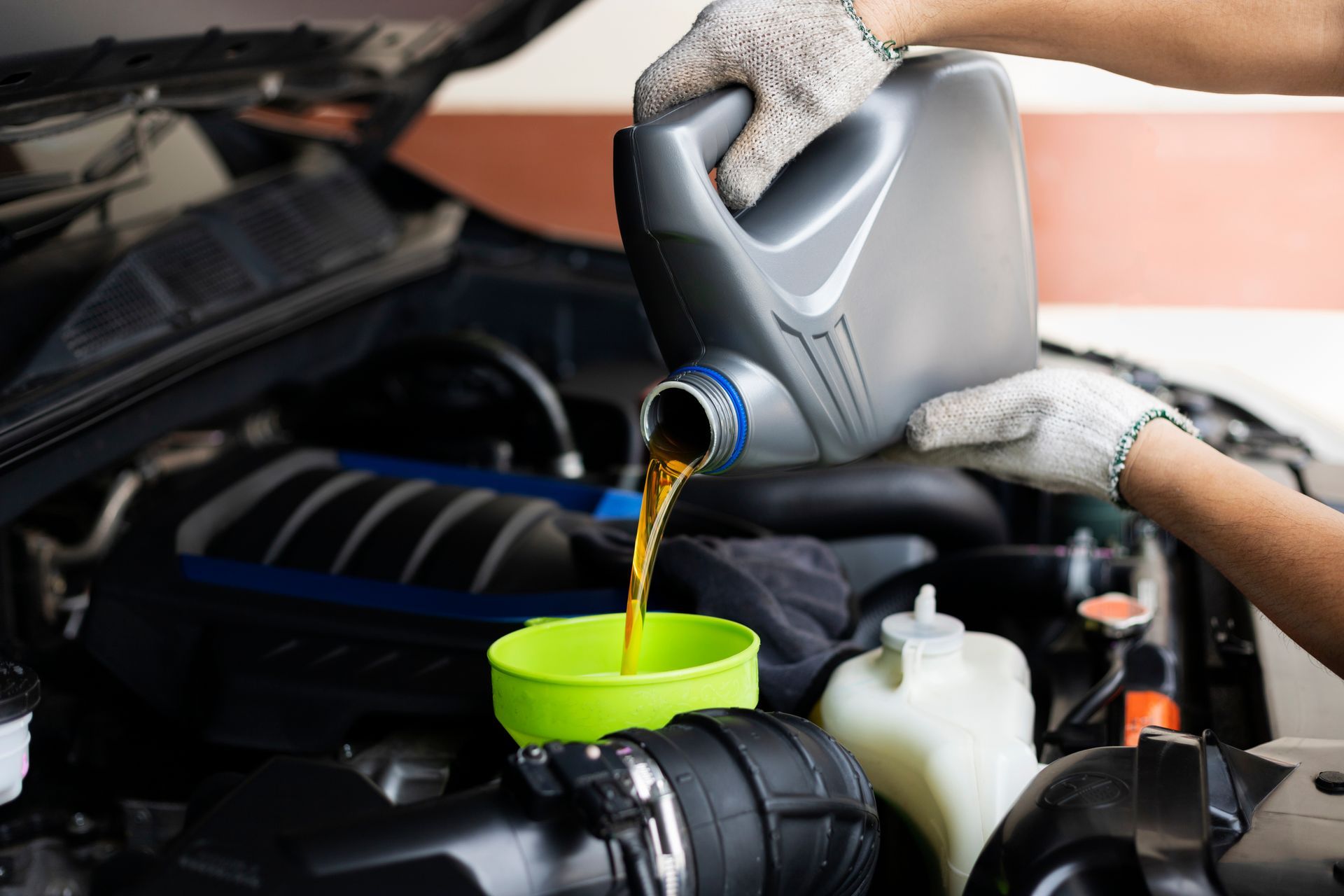
Oil isn’t a one-size-fits-all product. Every engine is built to run best on a specific viscosity and formula — it’s what keeps everything lubricated, cool, and protected. Using the wrong oil type means you’re using oil that doesn’t match what your vehicle’s manufacturer recommends.
Common Mistakes Drivers Make
Here are a few issues we see often in Wasilla garages:
- Picking 10W-40 instead of 5W-30 because “it’s close enough.”
- Using conventional oil when the car needs full synthetic.
- Ignoring the certification labels (API, ILSAC, or manufacturer specs).
Pro Insight: “Modern engines are engineered with super-tight tolerances,” says a local Wasilla mechanic. “Even a slightly different oil can throw off how your engine runs in this climate.”
Wasilla’s Weather Demands the Right Engine Oil — Here’s Why
Wasilla isn’t gentle on engines. Between below-zero mornings, long drives to Anchorage, and hilly terrain, your car needs oil that flows easily in the cold but also holds up under heat and load.
Cold Weather Problems
When oil gets too thick in winter, it can’t move quickly enough to protect engine parts during startup. Those first 30 seconds are the most critical — and when damage starts to build if your oil isn’t right.
Summer Heat and Towing Stress
By contrast, during warmer months, towing a camper or hauling up Knik-Goose Bay Road can cause thin oil to break down too soon. That leads to overheating, friction, and engine wear.
Local Tip: Many Wasilla drivers switch to high-quality synthetic oil because it handles both -20°F mornings and 80°F summer days without a problem.
What Happens to Your Engine When You Use the Wrong Oil Type
When you’re using wrong oil type, small mechanical issues start adding up fast.
Poor Lubrication
Oil that’s too thick or too thin can’t protect metal surfaces properly. This leads to grinding and increased internal friction.
Heat Build-Up
More friction means more heat, which stresses gaskets, seals, and bearings — even shortening the life of your oil filter.
Sludge and Deposits
The wrong oil may break down faster, leaving behind gummy residue that clogs oil passages.
Rough Starts and Strange Noises
Cold mornings in Wasilla can make oil sluggish, leading to ticking or knocking sounds when you start your engine.
Long-Term Engine Damage
Over time, all of this wear can lead to costly problems — lower fuel efficiency, reduced power, and even engine failure.
Case Study: Engine Trouble from Using the Wrong Oil in Wasilla
A customer came into the shop after their Subaru started ticking louder each morning. They had changed their oil themselves, using high-mileage 10W-40 instead of the recommended 5W-30 synthetic.
Because the thicker oil didn’t flow properly in subzero temperatures, it caused dry starts and camshaft wear. After flushing the system and refilling with the correct oil, the noise disappeared — but some wear had already been done.
Lesson learned: Even a “close enough” oil grade can quietly cost you thousands in the long run.
What ASE and SAE Say About Engine Oil Mistakes
According to the Society of Automotive Engineers (SAE) and AAA, using oil that meets your manufacturer’s specifications is essential for engine longevity and performance. Studies by AAA show that synthetic oils resist breakdown and protect better in both extreme cold and heat — ideal for Wasilla’s harsh climate.
Modern engines, especially those built after 2010, are designed with tighter tolerances and advanced systems that depend on the right viscosity and additive balance to prevent wear and maintain efficiency.
Pro Tip: Always check your owner’s manual or oil cap before buying — some manufacturers even update their recommendations for Alaskan climates.
Advantages of Using the Proper Oil Type in Alaska’s Climate
When your car has the right oil, you can actually feel the difference.
Here’s what you’ll notice:
- Smoother starts and quieter idling
- Better gas mileage due to less friction
- Longer engine life with fewer breakdowns
- Improved performance in Wasilla’s variable weather
Oil might seem simple, but it’s one of the most powerful ways to protect your vehicle and avoid expensive repairs.
How to Tell If You’re Using the Wrong Oil Type
It’s not always obvious right away — but there are signs:
- Your engine sounds louder or rougher than usual.
- The check engine light or oil light flickers.
- You smell burning oil or notice sluggish acceleration.
- https://eztauto.com/blog/checking-oil-levels-guide/than normal between changes.
If you notice any of these, it’s worth having your oil checked and replaced with the correct type before more damage sets in.
Local Conditions Make a Difference
Driving in Wasilla means dealing with:
- Frigid winter starts that demand low-viscosity oils.
- Gravel roads and dust that clog filters faster.
- Frequent idling while warming up engines.
- Towing and hauling put extra strain on the oil film.
What works for drivers in Seattle or Phoenix doesn’t work here — Alaskan conditions need Alaskan expertise.
A Mechanic’s Perspective: Peace of Mind Matters
As local mechanics, we’ve seen what happens when the wrong oil is used — from clogged filters to full-on engine rebuilds. But we’ve also seen how the right oil can keep a vehicle running smoothly past 200,000 miles.
Changing your oil regularly and choosing the right viscosity isn’t just about maintenance — it’s peace of mind every time you turn that key on a cold morning.
Drive Easy in Wasilla — The Right Oil Makes All the Difference
If you’ve been using the wrong oil type, don’t worry — just get it checked soon. Choosing the correct oil can:
- Protect your engine from wear and costly damage.
- Improve cold-weather starts and daily performance.
- Extend your vehicle’s life through every Wasilla season.
At
EZT Auto and Transmission Repair LLC, we offer:
- Oil and filter changes
- Engine diagnostics
- Transmission and fluid services
Visit us for a quick oil check and drive confidently — your car deserves expert care from Wasilla’s trusted mechanics.