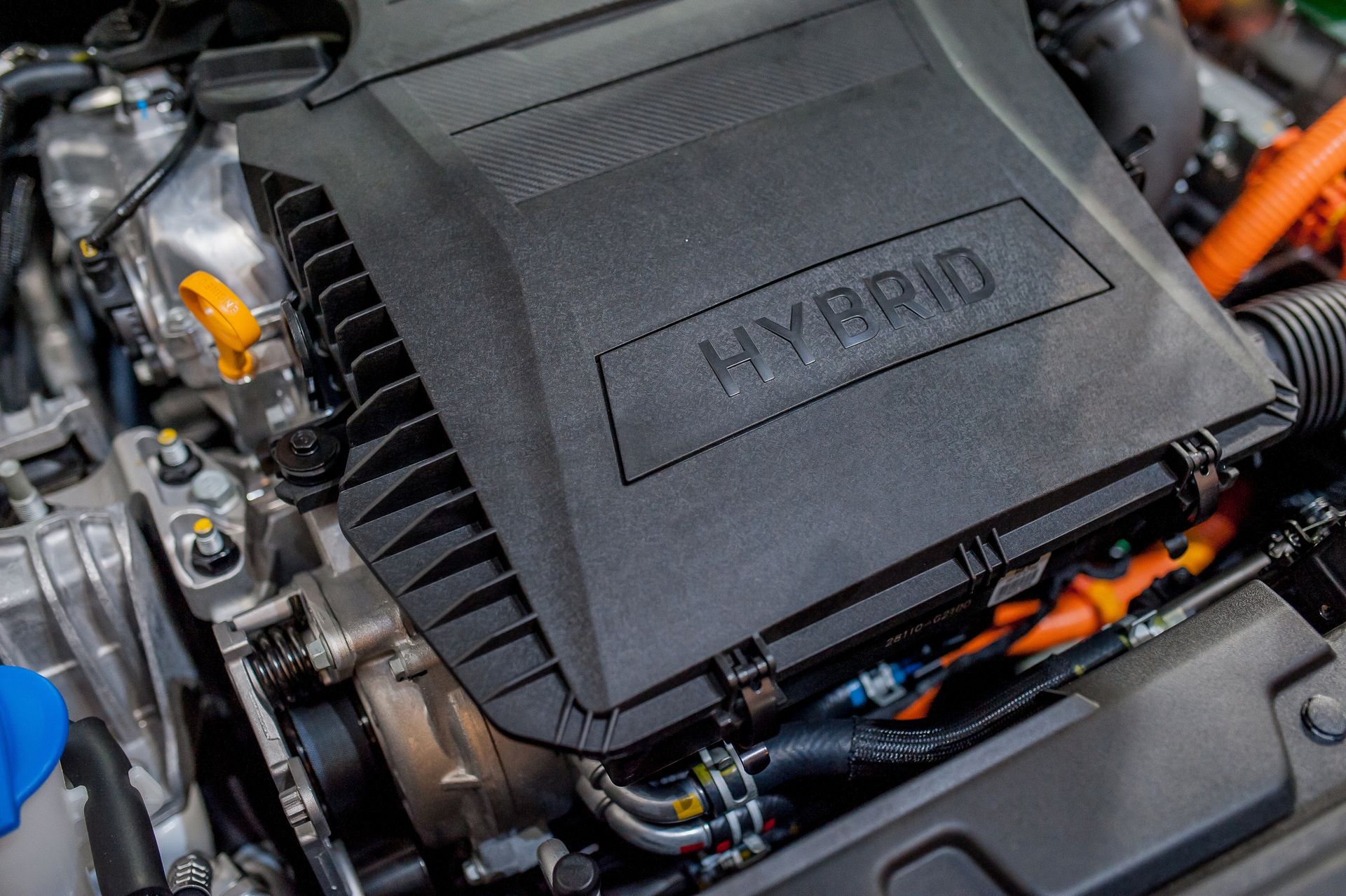
If you’ve ever wondered, “How often should I replace my spark plugs?”—especially with Wasilla’s long winters and fluctuating driving conditions—you’re not alone. It’s a common question for many Alaska drivers who want their vehicles running reliably, whether commuting to Anchorage or heading out for weekend adventures in the Mat-Su Valley.
Spark plugs are small but mighty components inside your engine, and staying ahead of their replacement schedule is one of the smartest ways to avoid poor performance or even breakdowns in extreme weather.
Let’s break it down: what spark plugs do,
when to replace them, and why it matters in our Alaskan climate.
What Do Spark Plugs Actually Do?
Your engine runs on a mix of air and fuel, but without a spark, nothing happens. That’s where spark plugs come in. They ignite the air-fuel mixture inside the combustion chamber, generating the mini explosions that power your engine.
Each spark plug fires thousands of times per minute. Over time, they wear down from carbon buildup, heat, and general use, which reduces their ability to spark properly.
When spark plugs wear out, you might experience:
- Engine misfires
- Poor fuel economy
- Rough idling
- Slow acceleration
- Trouble starting in cold weather
And in Wasilla, where winter temperatures can drop below zero, bad spark plugs can make a tough start even worse.
How Often Should You Replace Spark Plugs?
The short answer: it depends on your vehicle and plug type, but a good general rule is:
- Conventional (Copper) plugs: Every 30,000 miles
- Platinum or Iridium plugs: Every 60,000 to 100,000 miles
Always check your owner’s manual, since some newer engines are designed with long-lasting plugs that don’t need replacement as frequently. That said, Alaska’s extreme weather and varied terrain can put extra strain on engine components, so those upper mileage limits don’t always apply here in Wasilla, AK.
Local Tip:
In colder climates like ours, we often recommend inspecting your spark plugs every 30,000 miles, even if they’re rated for more. Cold starts, frequent idling, and short trips (common in winter) can accelerate wear.
Why Replacing Spark Plugs Matters in Wasilla’s Climate
Imagine trying to start your car on a dark January morning, with temperatures hovering around -10°F. You turn the key—and nothing but a sluggish crank. Worn spark plugs may be part of the problem.
Here’s why spark plug maintenance is especially important in Wasilla:
- Cold Weather Starts: Your engine needs a strong, reliable spark when it’s cold. Worn plugs make that harder.
- Fuel Efficiency: Winter fuel blends and longer warm-up times already affect MPG. Bad plugs make it worse.
- Preventing Misfires: Driving with worn plugs increases engine misfires, which are harder on your engine in icy or hilly conditions.
Routine spark plug replacement ensures your engine fires smoothly and starts reliably—something that’s essential when the next mechanic might be miles away.
What’s the Process Like?
A spark plug replacement usually includes:
- Inspection of existing plugs for wear, damage, or carbon buildup
- Removal using the correct tools (some engines make this tricky!)
- Gap checking—measuring the distance between electrodes to match factory specs
- Installation of new spark plugs, torqued to proper tightness
It’s also common to pair this service with ignition coil checks or fuel system cleaning, especially if misfires have already occurred.
Pro Tip: If you’re not comfortable with engine work—or your plugs are hard to reach—this is best left to a professional. Cross-threaded plugs or improper torque can cause costly damage.
A Wasilla Winter Wake-Up Call
We recently had a customer from Knik-Fairview who brought in a Toyota Tacoma that had trouble starting on frosty mornings. They assumed it was just a
weak battery.
Turns out, the spark plugs had over 110,000 miles on them. We replaced them with new iridium plugs, and within minutes of the swap, the truck started more smoothly, idled cleaner, and stopped stalling on cold starts.
This isn’t uncommon. It’s a simple service with noticeable results.
Expert Data: Worn Spark Plugs Can Cut Fuel Economy by 30%
According to the National Institute for Automotive Service Excellence (ASE), worn spark plugs can reduce fuel efficiency by as much as 30%. That’s a significant hit to both your wallet and your engine’s performance—especially in regions like Wasilla, Alaska, where driving conditions already strain fuel economy.
The Car Care Council also emphasizes the importance of replacing spark plugs on schedule to maintain proper combustion and engine efficiency, though they don’t specify exact percentages. Poor spark plug condition is one of the most common causes of reduced MPG and engine misfires.
Fortunately, modern diagnostic tools make it easy to detect spark plug wear before it leads to drivability issues. You don’t need to wait for misfires or rough idling to know it’s time for a check.
Get Reliable Starts—Replace Spark Plugs on Time
Replacing spark plugs may not be glamorous, but it’s one of the best things you can do to protect your engine, especially here in Wasilla, AK, where every cold start counts.
Whether your vehicle has 40,000 miles or 140,000, keeping track of your spark plug health is a smart move—and it doesn’t have to be a mystery.
If you’re noticing sluggish performance or aren’t sure when your spark plugs were last checked, it’s a good idea to schedule an inspection. At
EZT Auto and Transmission Repair LLC, our team includes a Senior Master Technician, and we’re always happy to take a look and point you in the right direction—without the upsell.
Need a second opinion or want to schedule a spark plug check-up? Give us a call today. We’re right here in Wasilla and ready to help.