Ever step outside on a Wasilla winter morning, scrape the frost off your windshield, and worry whether your car will start without a problem? Around here, that’s a common concern. Engines work overtime in the cold, and low oil levels make the struggle even harder. That’s why this
checking oil levels guide is such a lifesaver for folks in Wasilla, Alaska. With a rag and five minutes in your driveway, you can give your car the care it needs to handle our icy roads with confidence.
What “Checking Oil” Really Means for Everyday Drivers
When people say “check your oil,” they’re talking about two things:
- Making sure there’s enough oil in your engine.
- Checking that the oil is still clean and healthy.
Oil is what keeps your engine’s parts moving without grinding or overheating. Without it, your engine wears down faster than you’d expect. A mechanic friend of mine always says, “Think of oil as your engine’s winter jacket. Without it, the cold hits hard, and damage shows up fast.”
Why Wasilla’s Roads Make Oil Checks More Important
Skipping oil checks might not seem like a big deal, but it’s riskier here in Alaska. Here’s why:
- Cold starts: Oil thickens in freezing weather, so your engine has to work harder.
- Long commutes: Plenty of Wasilla folks drive daily to Anchorage or Palmer. Highway miles mean your car is running hot for longer stretches.
- Rough roads: Gravel, snow, and salt wear down vehicle components faster.
By the time an oil light comes on, it’s often too late. That’s when you’re looking at big repairs, not just a simple top-off.
Simple Driveway Routine: Step-by-Step Oil Check Guide
Here’s a no-nonsense way to follow this checking oil levels guide:
- Park on level ground
Parking on flat, level ground ensures you get an accurate reading since uneven spots can make the oil appear higher or lower than it actually is.
2. Turn the engine off and wait
After shutting the engine off, let it sit for at least 10 minutes so the oil has time to settle back into the pan.
3. Find the dipstick
Locate the dipstick under the hood, usually marked with a yellow or orange handle for easy identification.
4. Wipe it clean
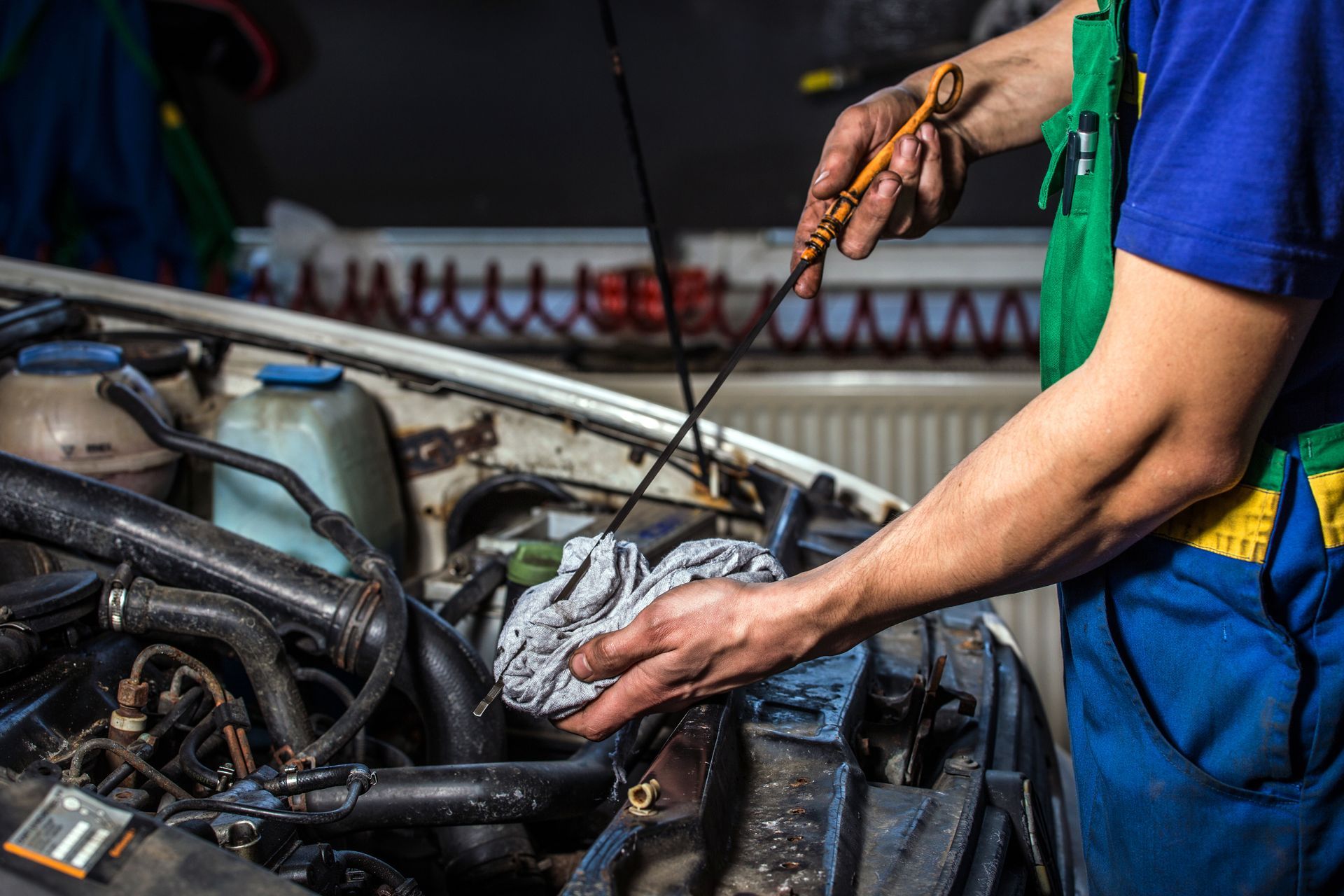
Pull the dipstick out and wipe it completely clean with a rag or paper towel to remove old oil residue.
5. Reinsert it fully, then pull it out again
Push the dipstick all the way back in, then pull it out again to see the true, current oil level.
6. Check the markings
Look at the dipstick’s markings—your oil should sit between the low and full lines for safe operation.
7. Look at the oil itself
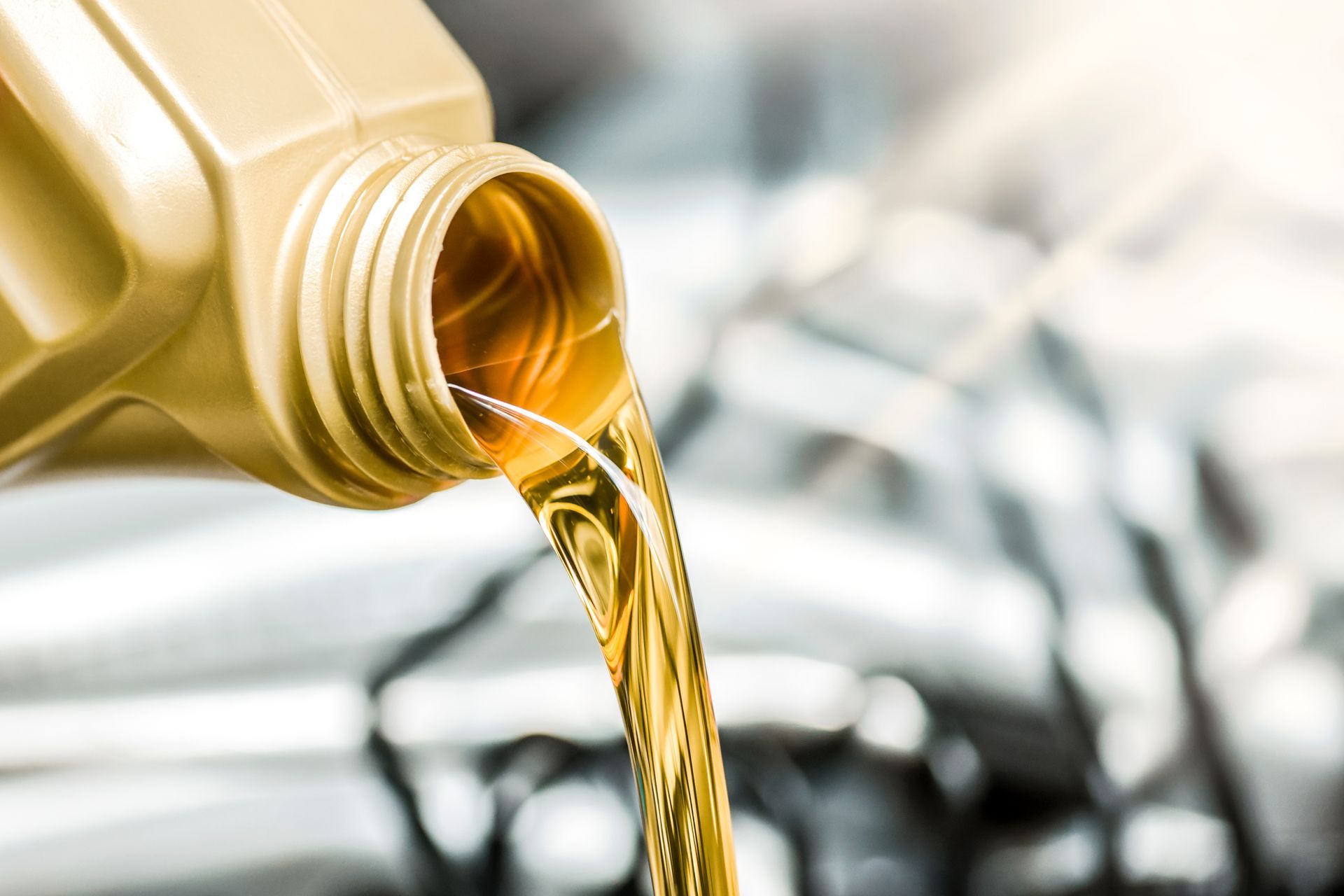
Examine the oil’s color and smell: clean amber oil is good, but dark, dirty, or burnt-smelling oil means it’s time for a change.
Pro tip from a local mechanic:
“If the dipstick looks dry in the middle of winter, don’t wait around. Top it off right away. Engines don’t forgive neglect when it’s below zero.”
Why Spending 5 Minutes Saves You Big in Repairs
Five minutes with a dipstick can:
- Add years to your engine’s life.
- Keep fuel economy steady (saving money when gas prices spike).
- Prevent breakdowns in the middle of an icy highway.
The Car Care Council puts oil checks on their top 10 list of habits that keep cars running longer. It’s a small habit with a huge payoff.
Case Study: How Skipping an Oil Check Nearly Cost a Wasilla Neighbor
One Wasilla driver admitted she hadn’t checked her oil since her last service in the fall. By December, her SUV started making a loud ticking sound on cold mornings. When she finally checked, the dipstick came out nearly dry. Luckily, topping it off saved her from an engine replacement, but it was a close call. She now checks every other week and tells her neighbors to do the same.
Data Doesn’t Lie: Oil Care Backed by Experts
The U.S. Department of Energy notes that using the manufacturer’s recommended grade of motor oil can boost fuel efficiency by 1 to 2 %. That might seem modest — but with Wasilla’s fuel prices and long winter drives, it adds up quickly. Meanwhile, AAA’s data show that many roadside breakdowns stem from neglected maintenance (which includes skipped oil checks). In Alaska, where tow services can take hours in harsh weather, skipping those routine checks is a risk no one wants to take.
Mechanic-Approved Tips for Alaskan Drivers
Here are a few Wasilla-tested tricks for keeping your oil in shape:
- Go with synthetic oil in winter — it flows better in freezing temps.
- Check more often when it’s cold — every two weeks is smart.
- Don’t trust the dashboard light alone — it usually means you’re already low.
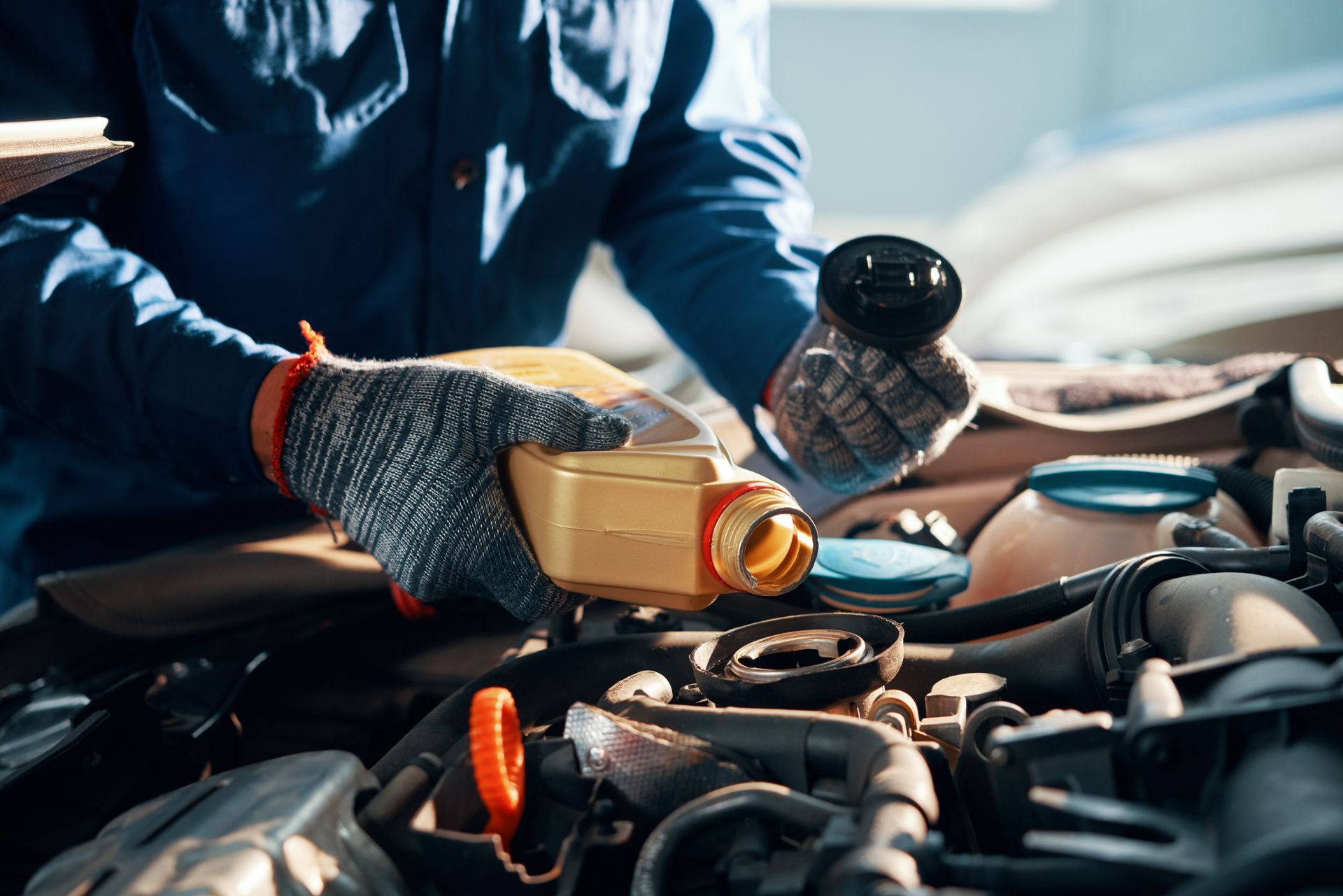
- Carry an extra quart in your trunk — cheap and handy if you’re running low.
- Base oil changes on driving style — short, cold trips can wear oil faster than long highway runs.
As one seasoned mechanic put it, “Checking oil isn’t about being a car person — it’s about being a smart Alaskan driver.”
Take the Next Step: Easy Oil Care with Local Pros
Regularly checking your oil is one of the easiest ways to extend your engine’s life, improve efficiency, and avoid unexpected breakdowns. This checking oil levels guide shows that just a few minutes in your driveway can make all the difference, especially in Wasilla’s challenging winters.
If you’d rather let a professional handle it, the team at
EZT Auto and Transmission Repair LLC is here for you. We provide quick oil changes, filter replacements, transmission repairs, diagnostics, and more — all backed by the NAPA AutoCare Peace of Mind Warranty, which covers qualifying repairs nationwide. That means you can drive confidently, knowing your vehicle is protected whether you’re in Wasilla or beyond.
Contact us today, and check out our other guides for keeping your car ready for Wasilla’s roads.