Protecting Prius efficiency during Mat-Su to Anchorage commutes requires managing inverter thermal conductivity and rolling resistance. High-load climbs near the Knik River escalate inverter temperatures above 140°F, triggering power throttling. Additionally, sub-40°F May mornings harden low-rolling resistance tire compounds, while glacial silt contamination on sensors disrupts lean-burn fuel mapping.
Hybrid system diagnostics and maintenance for Prius fuel economy and cold-weather performance in Alaska.
I am currently looking at a Gen 3 Prius that just rolled in from a morning run from Wasilla. The owner is complaining about a sudden drop in fuel economy. I pull the air filter housing and run my finger across the pleats. It is not just dust. It is that fine, gray Matanuska glacial silt. This grit is small enough to bypass cheap paper filters and coat the Mass Air Flow sensor wires. When that happens, the sensor under-reports air density. The engine computer compensates by dumping more fuel to prevent a lean-out, killing the Atkinson-cycle efficiency.
Why your Prius loses 5 MPG between Wasilla and the Knik River Bridge
The Matanuska Glacier creates a venturi effect through the valley. If you are doing 65 MPH into a 30 MPH headwind, the car struggles against the aerodynamic drag of 95 MPH. I see this in the short-term fuel trims every time a commuter climbs the incline toward the Thunderbird Falls exit. The engine is forced out of its efficiency sweet spot and stays in high-load enrichment just to maintain highway speed. It is not a battery failure; it is the environment winning against the physics of a small-displacement engine.
Watching the intake cam phasers retard on the Glenn Highway.
The Atkinson-cycle engine in your Prius relies on specific intake valve timing to reduce pumping losses. High headwinds effectively change the load calculations. On my scanner, I watch the ignition timing pull back as the engine fights the Valley winds. The aerodynamic penalty is so high that the hybrid system cannot assist without draining the high-voltage battery below the 40% threshold within minutes of hitting the Glenn Highway.
Inverter Coolant and IPM Throttling on the Glenn Highway Grades
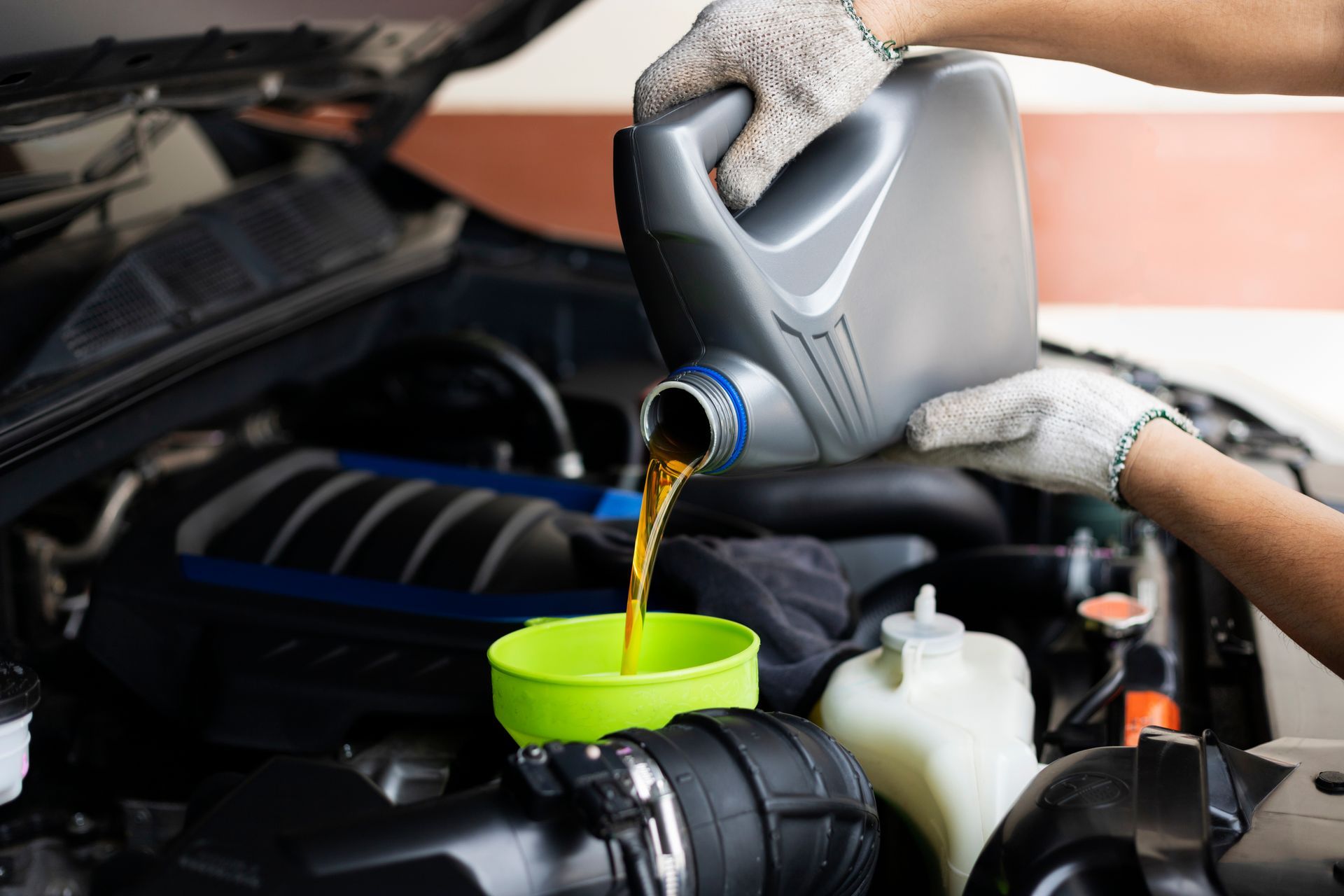
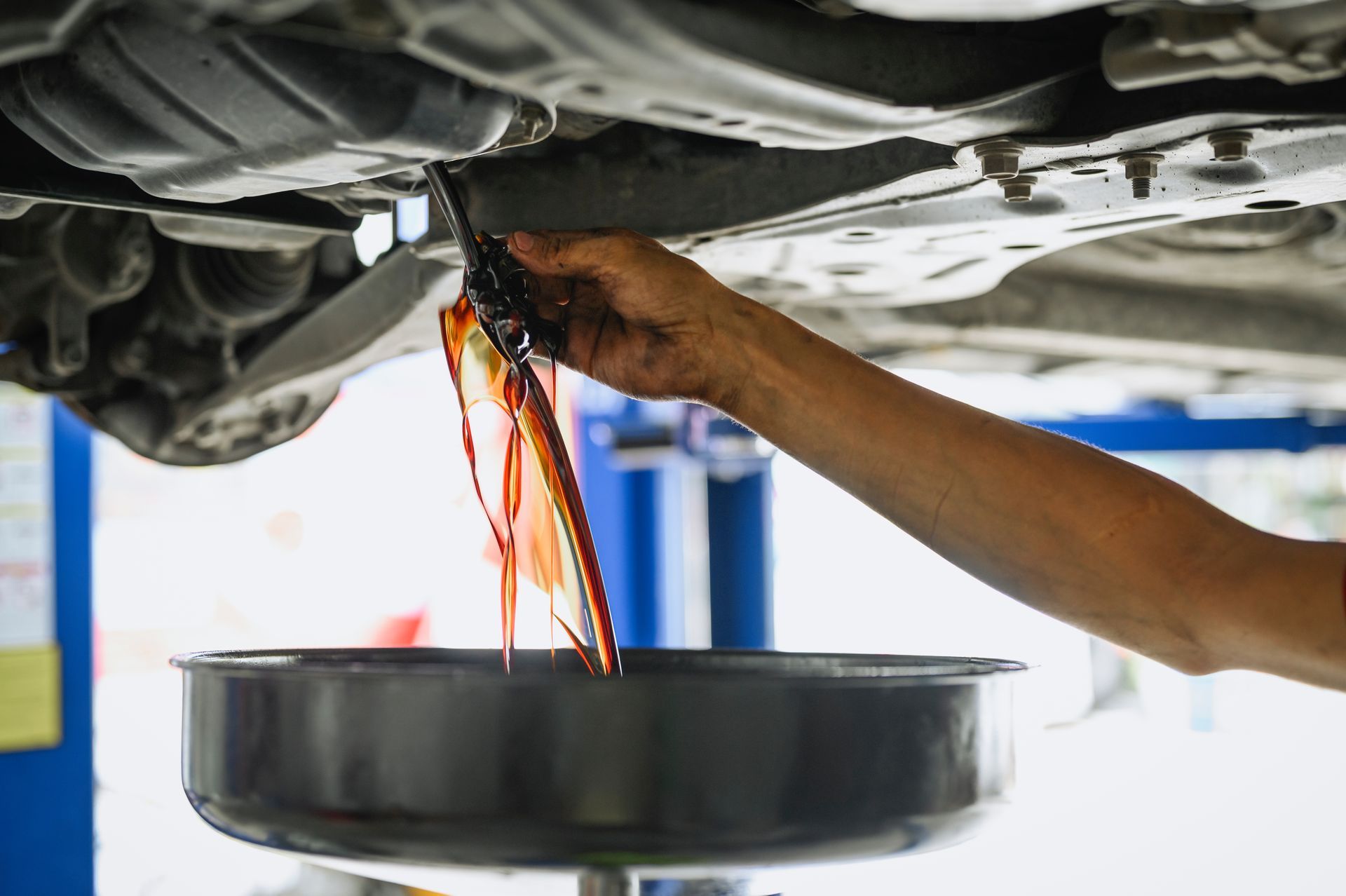
I am currently draining the inverter coolant on a Gen 4 Prius because the factory 100,000-mile service interval is insufficient for the thermal loads of the Glenn Highway. Sustained 3% grades push inverter temperatures toward 145°F, causing the system to throttle electrical output to prevent MOSFET failure if the coolant is degraded or air-pocketed. After verifying the 10Nm torque spec on the drain plug, I am preparing a vacuum fill to eliminate the hot spots caused by standard gravity bleeding.
Monitoring thermal thresholds during sustained 3 percent climbs
Using Techstream, I compare the temperature delta between the two internal inverter sensors. If I see a 15-degree difference, I know there is a flow restriction. The Gen 4 has better aero-shutter logic than the Gen 3, but even that fails when the shutters get iced over or jammed with road grit from the Parks Highway. A restricted cooling loop means the hybrid system stops helping precisely when the engine needs it most on those long Valley climbs.
Is it a battery failure or Parks Highway road silt?
While the customer blames the hybrid battery for the engine’s refusal to shut off during the Eagle River Bridge bottleneck, the data reveals a
throttle body fouled by oil and glacial silt. This sticky residue prevents the butterfly valve from seating correctly, blocking the vehicle from entering the efficient “S4” full hybrid stage and forcing a constant, fuel-wasting idle. Furthermore, magnesium chloride from the Knik River Bridge has seized the caliper slide pins, creating significant brake drag that mimics driving with the parking brake engaged.
Eliminating silt-induced fueling errors at the throttle plate.
I use a specific electronic cleaner for the MAF wires. You cannot touch them with a rag. If there is even a microscopic layer of silt, the heat transfer rate is wrong. After a thorough cleaning and a throttle body adaptation reset, the engine returns to its lean-burn state. Restoring the
lean-burn fuel mapping is what separates a high-efficiency 50 MPG Prius from a silt-compromised unit barely hitting 40 MPG.
Protecting the High Voltage System at EZT Auto and Transmission Repair LLC
I’m finishing the service by inspecting the transaxle casing. The AKDOT de-icing agents are brutal. They create high-resistance ground paths. I’ve seen P0AA6 isolation codes triggered just because the exterior of the high-voltage motor housing was caked in salty road grime. I’m wiping down the connectors and checking for any signs of green corrosion.
The LRR tires on this car are also a problem. They are Bridgestone Ecopias. Great tires, but the rubber is hard as a hockey puck this morning because it was 38°F in Wasilla. Hard rubber has higher rolling resistance. Until the pavement warms up, the hybrid system is working overtime just to overcome the lack of tire pliability.
Analyzing Techstream data and MG2 torque delivery for the Valley driver
I monitor the MG2 torque delivery during a test drive. I want to see a smooth hand-off between the motor-generator and the friction brakes. If the MG2 is doing all the work because the calipers are seized, the inverter gets hotter. This thermal runaway forces the HV pack to pick up the slack until the State of Charge (SOC) bottoms out at 40%, at which point the ECU locks the ICE in a “forced charging” loop that just won’t quit. My diagnostic verdict is clear: the inverter coolant was air-pocketed and the MAF sensor was blinded by silt. This Prius is now ready for the 80-mile round trip.
If your hybrid is losing MPG on the Glenn Highway, reach out to
EZT Auto and Transmission Repair LLC at
200 E Flag Circle, Wasilla, AK.