The first shift out of the driveway feels different from the shifts later in the day. The engine holds a gear longer, or the transmission seems slower to settle into its normal rhythm. After a freezing night, temperature is part of that picture. The question is how much the behavior changes and what happens once the vehicle warms up.
Cold Transmission Fluid Flows Differently
Automatic transmission fluid gets thicker as its temperature falls. The pump, valves, and passages have to move that colder fluid while the transmission controls adjust operation. The effect depends on the fluid, transmission design, and how cold the vehicle has become. A vehicle parked outside overnight starts from different conditions than one kept in a heated garage.
Some transmissions deliberately change shift timing during warm-up. Holding a lower gear longer isn't always slipping. The distinction is what the car does with engine speed and road speed. If RPM rises sharply without the expected acceleration, or the vehicle bangs into gear, that needs a closer look. Describe the actual behavior when braking, including the overnight temperature and how far you drive before it changes.
Freezing Weather Exposes Low or Incorrect Transmission Fluid
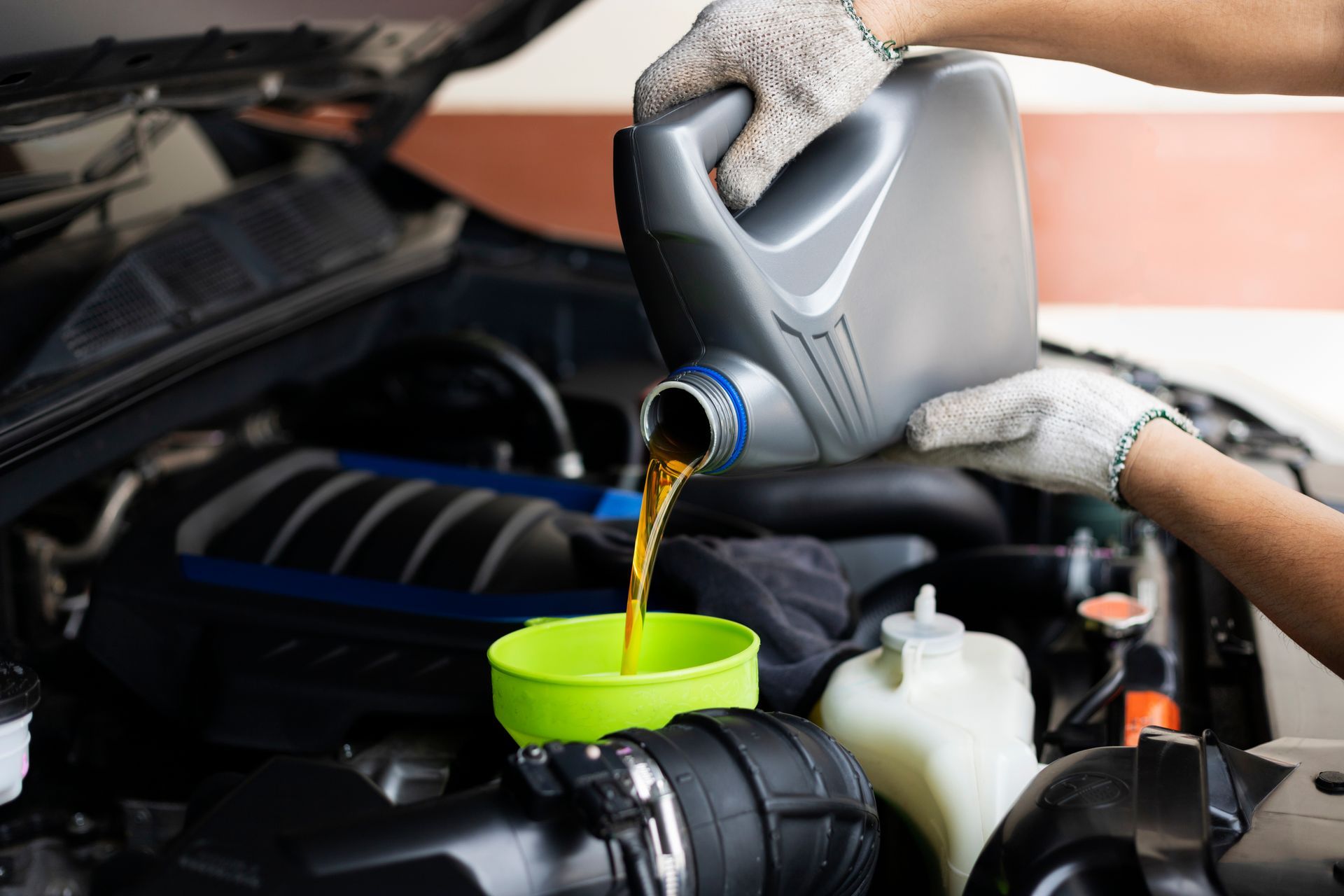
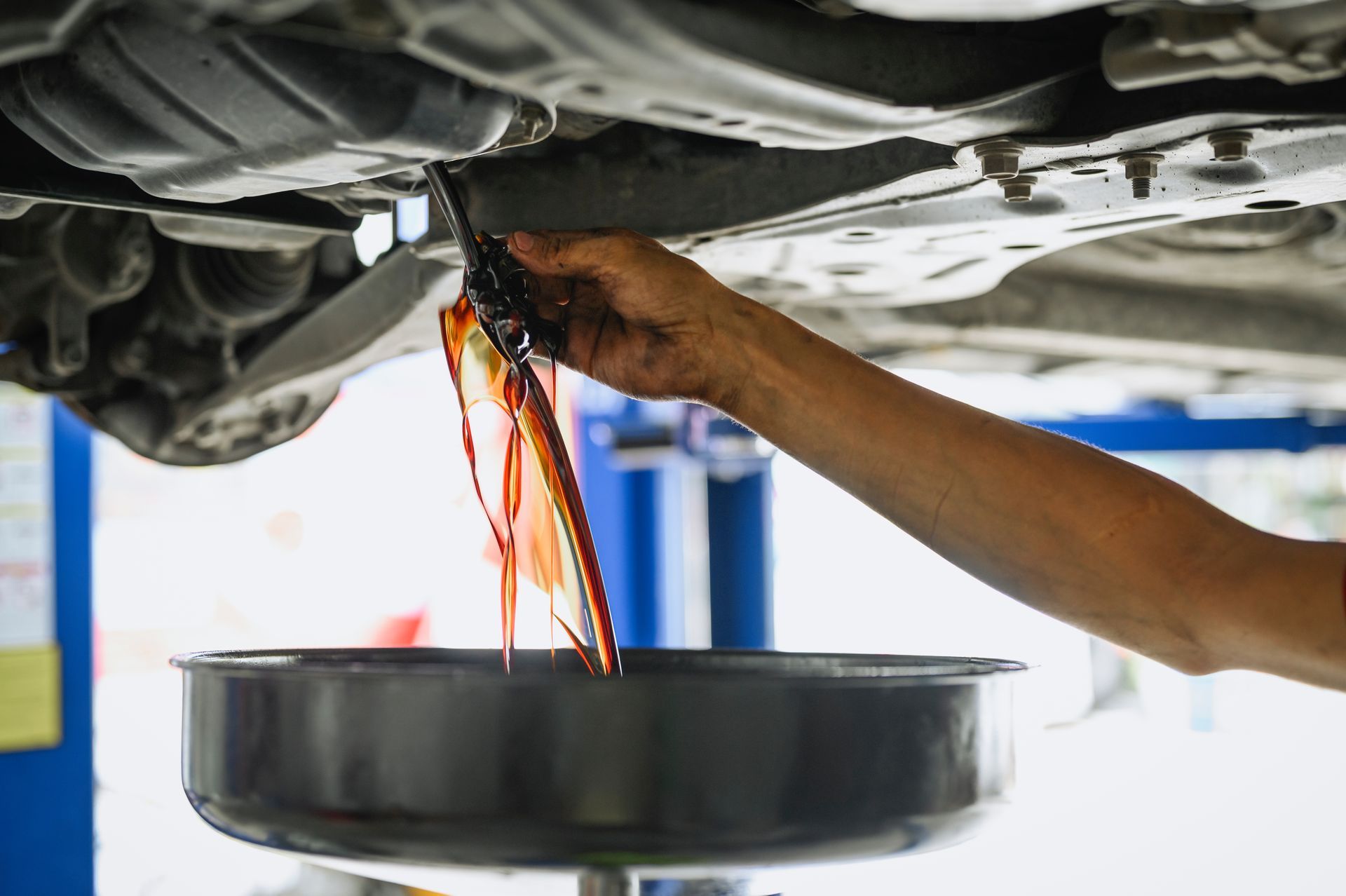
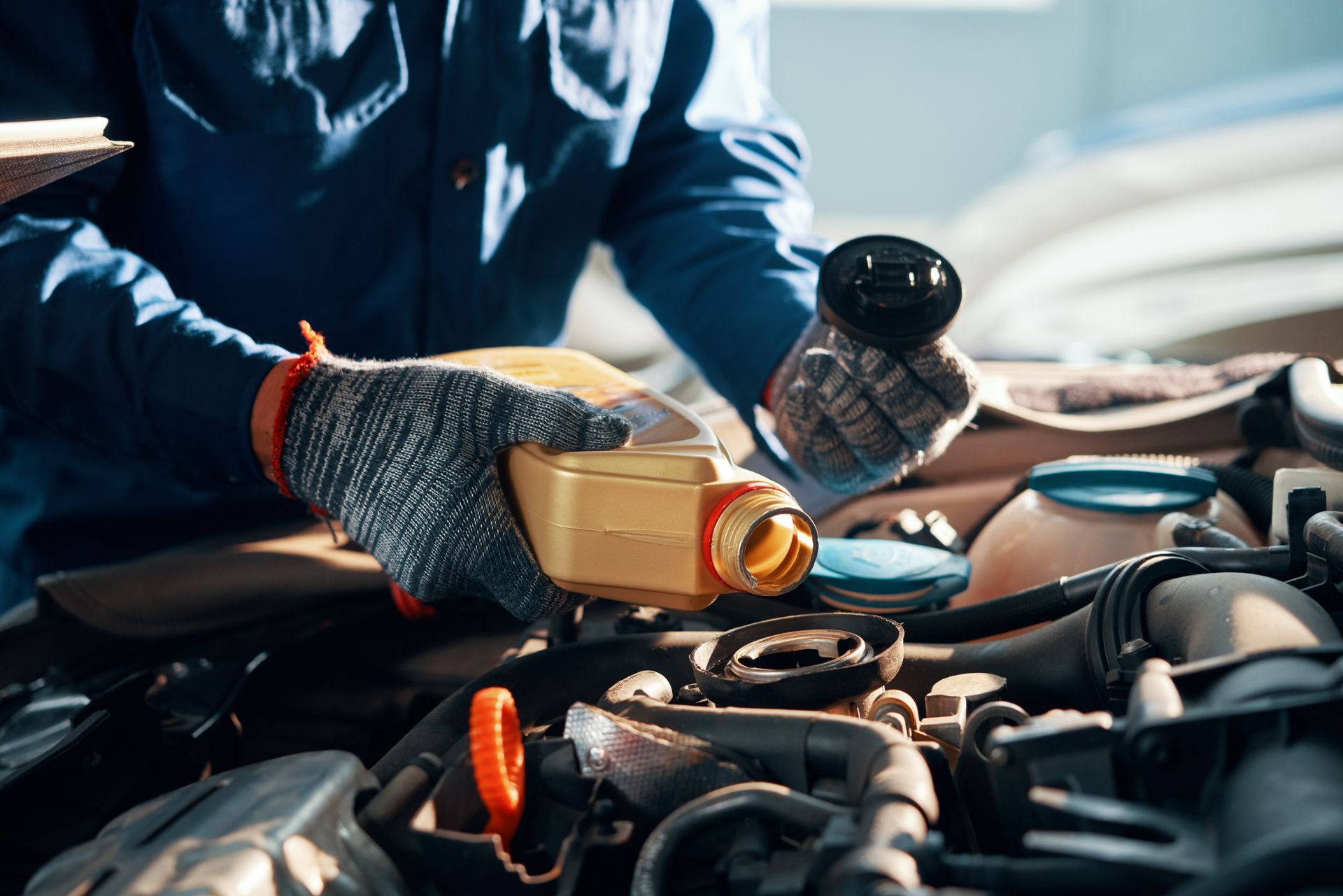
Fluids must provide lubrication and the friction behavior the transmission was designed for. The wrong specification changes that job. Picking a bottle because its label says automatic transmission fluid leaves out the details that separate one unit from another. We identify the transmission and required product before adding or replacing fluid.
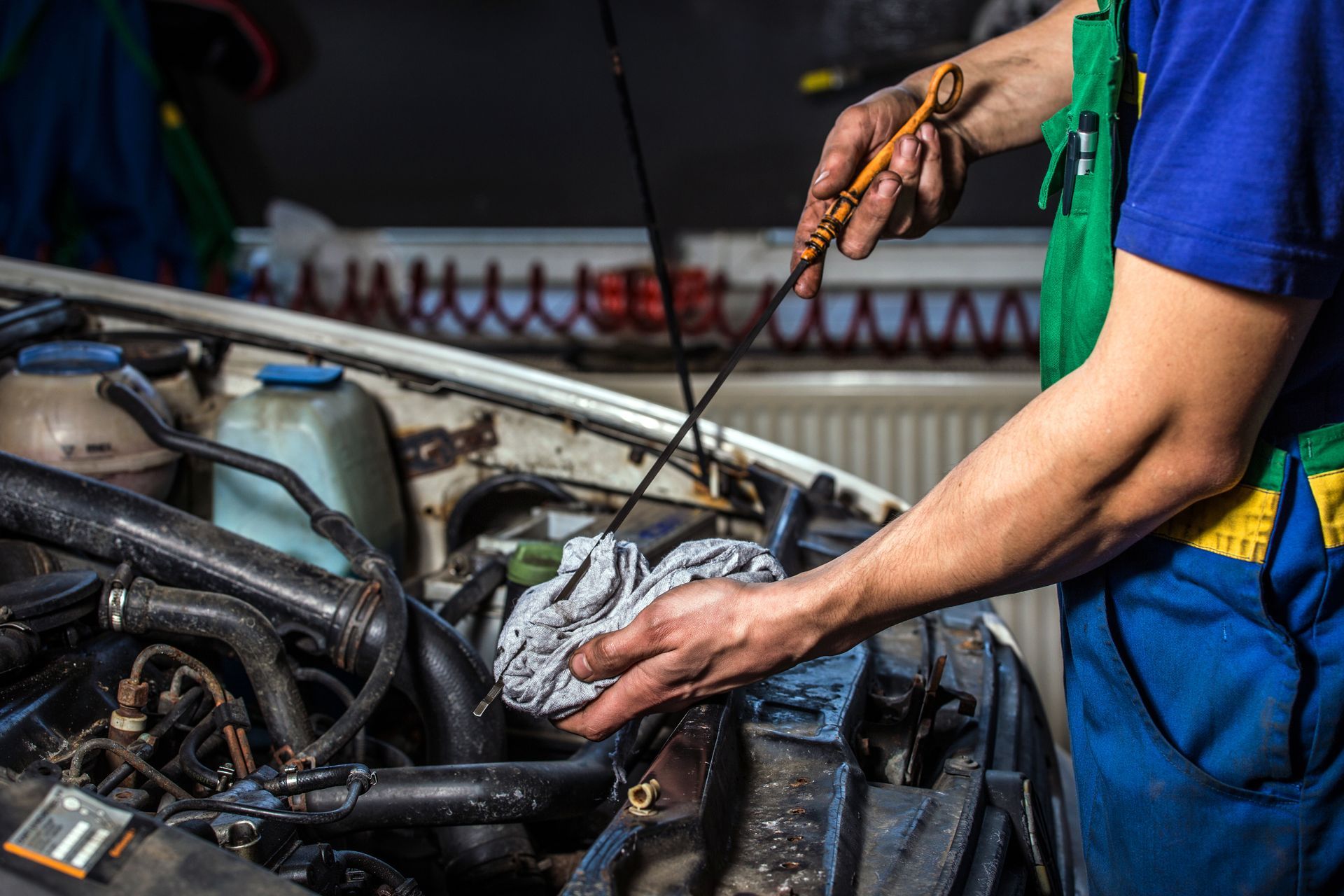
A low level needs its cause found. A leaking seal, cooler line, or pan can leave the transmission short of fluid, and the symptoms sometimes stand out more during the first drive. Checking the level has its own temperature and operating procedure. Some vehicles use a dipstick, while others need a fill-level check at a specified fluid temperature. Don't add fluid based on a cold reading taken with the wrong procedure. Overfilling creates its own shifting problems.
Delayed Engagement Needs More Than Extra Throttle
Selecting drive and waiting for the vehicle to take up the gear is different from an upshift that happens a little later. Have a new or worsening engagement delay tested, particularly if reverse behaves differently from drive. Fluid level, hydraulic pressure, valve operation, and internal wear are among the checks directed by the complaint.
Keep your foot on the brake and avoid revving the engine to make it engage. If it suddenly takes up drive at higher RPM, it can lurch hard. Stop trying if engagement is unreliable and arrange assistance. A car that only moves after several attempts isn't ready to join traffic, even if it drove normally after warming up yesterday.
Warm the Vehicle Up Without Forcing the Transmission
Follow the owner's cold-weather starting instructions and allow time to clear the glass before moving. Once the vehicle is ready to drive, use gentle acceleration and avoid demanding a heavy pull from a fully cold drivetrain. A temperature gauge showing warm engine coolant doesn't mean the transmission fluid has reached its normal temperature.
Long idling isn't a universal fix, and repeatedly shifting between drive and reverse won't repair a sticking valve. Some vehicles have specific cold-temperature operating limits, so the manual comes first. Use any factory-approved cold-weather equipment as directed. Never put a torch, open flame, or improvised heater under the transmission to hurry the process. If the vehicle won't operate normally within its instructions, have the problem checked.
How We Check Shifting Problems When the Transmission Is Cold
If a transmission behaves normally by the time it reaches the shop, you still need a plan to reproduce the problem. Leaving it overnight sometimes gives us the same starting conditions the driver experiences. Note how long it sat, the first gear selected, and the delay or shift change you felt. Tell us about recent fluid work and bring the invoice if you have it.
We compare the transmission's temperature reading with the cold conditions, review stored faults, and watch the commanded gear and actual operation. Fluid level and leakage checks follow the required procedure. Pressure testing or checks of the valves and controls come next when the findings call for them. A temperature sensor reporting the wrong conditions sends the investigation in a different direction from a transmission that has low pressure despite the correct fluid level.
Will Changing the Transmission Fluid Fix Cold Shifting Problems?
An overdue fluid service is worth reviewing, but fresh fluid won't rebuild worn clutches or replace a damaged valve. We consider the maintenance history, fluid condition, test results, and the manufacturer's instructions before recommending the work. Clearing a warning or resetting learned values without finding the fault leaves the morning complaint unresolved.
After a repair, the cold behavior needs checking again. That sometimes means another overnight wait, followed by a drive under the original conditions. Continued slipping, loss of drive, a leak, or a warning message needs follow-up promptly. Keep a note of what changes after service so the next conversation starts with the car's current behavior.
Get Transmission Service In Wasilla, AK, With EZT Auto and Transmission Repair
EZT Auto and Transmission Repair in Wasilla, AK, can investigate shifting or engagement problems that appear after a freezing night. Tell us how long the vehicle sits and ask about arranging a cold-start check.
Schedule transmission testing while the morning problem is still repeatable.