As the snow melts and the icy roads of Wasilla Alaska give way to spring slush and potholes, it’s time to shake off winter’s wear and get your car ready for warmer months. Whether you’re commuting down the Parks Highway or heading out to your cabin for the weekend, a reliable vehicle is essential. This spring vehicle maintenance checklist will walk you through every key area to inspect and maintain so your car is safe, efficient, and road-trip-ready.
Let’s dive into what matters most when spring hits — not just for your vehicle’s performance, but for your peace of mind.
Why Spring Maintenance Matters in Wasilla, AK
Alaska winters are no joke — from subzero temps to road salt and frost heaves. Your vehicle takes a beating. But once spring rolls around, many drivers forget that winter’s impact doesn’t disappear with the snow. Rust, worn tires, low fluids, and neglected systems can quickly lead to costly repairs or dangerous breakdowns.
Spring is the perfect opportunity to reset. A proper spring vehicle maintenance checklist ensures your car runs smoothly through the seasonal transition — and helps you avoid problems later in the summer when repair wait times in Wasilla can get long.
The Complete Spring Vehicle Maintenance Checklist
This isn’t your average checklist. It’s what seasoned technicians in Alaska look for when they service their own vehicles and their neighbors’.
1. Inspect and Rotate Your Tires
Winter Damage: Cold temps deflate tires and icy roads wear tread quickly. Add in potholes, and alignment or suspension damage is likely.
Checklist Tips:
- Check tire pressure (adjust for spring temps).
- Inspect for cracks, uneven wear, or punctures.
- Rotate tires to ensure even wear and extend life.
- Consider switching from winter to all-season tires (depending on your driving habits).
Pro Tip: Keep an eye on the wear bars inside the tread. If they’re flush, it’s time for new tires — especially if you’re heading into rainy spring conditions.
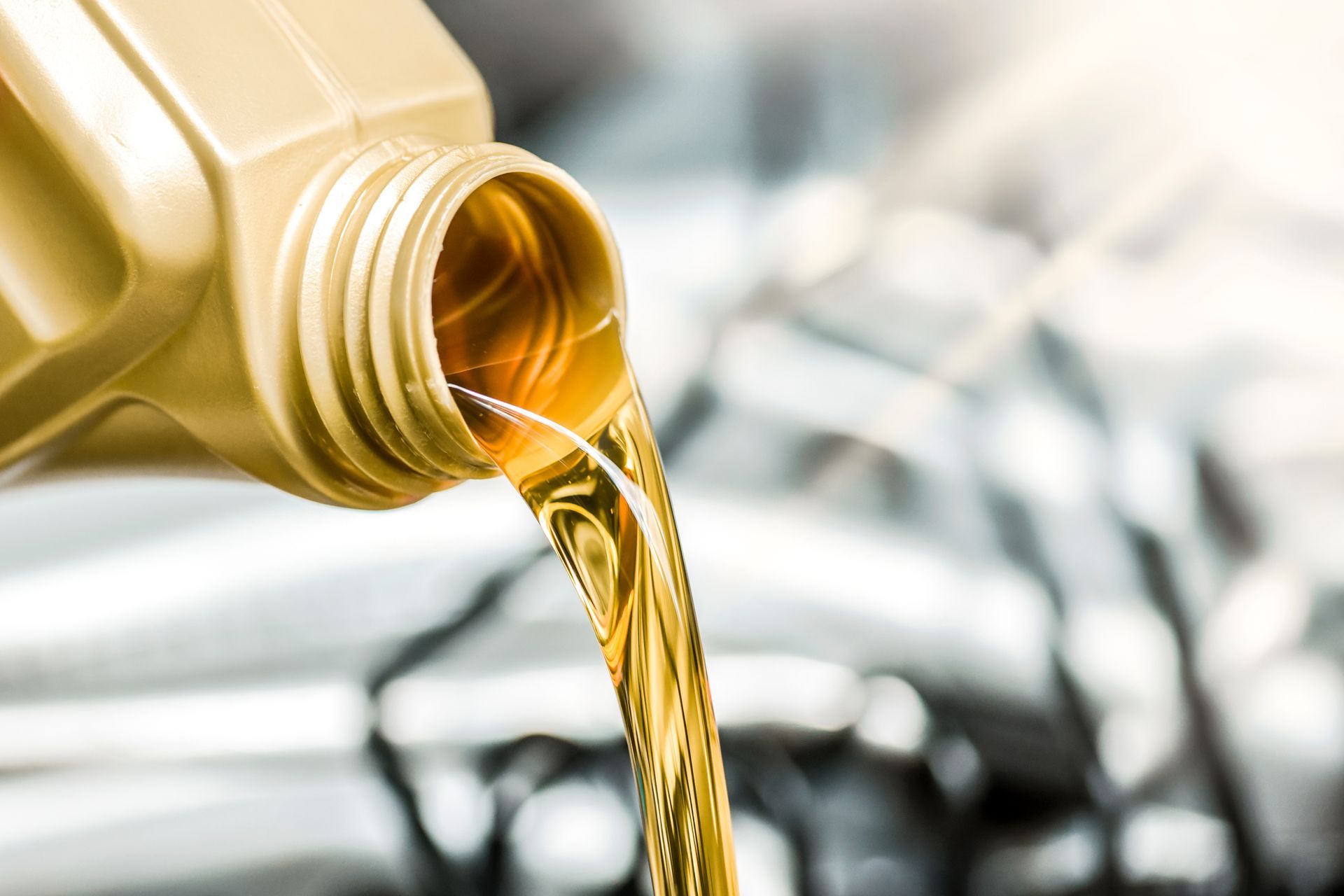
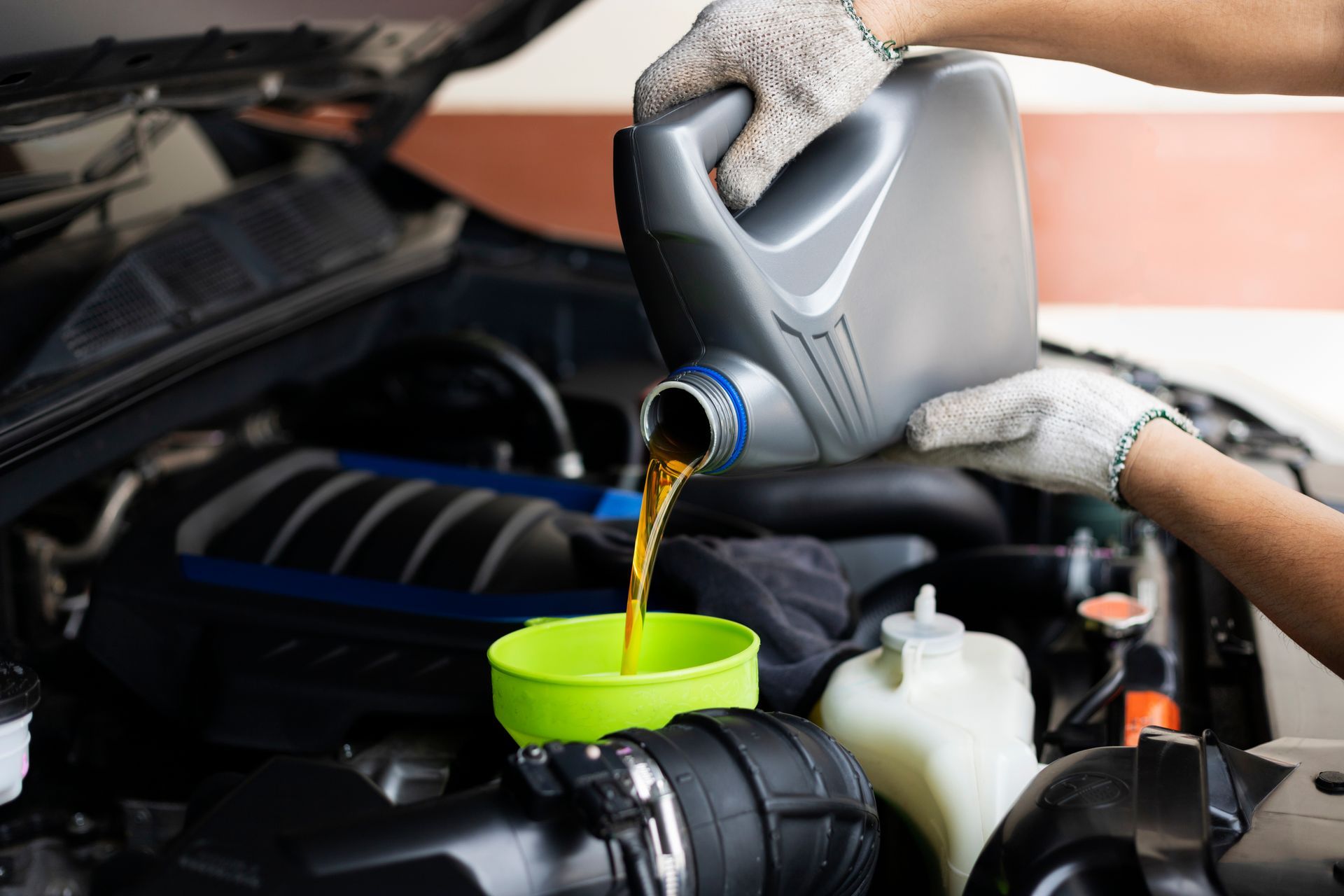
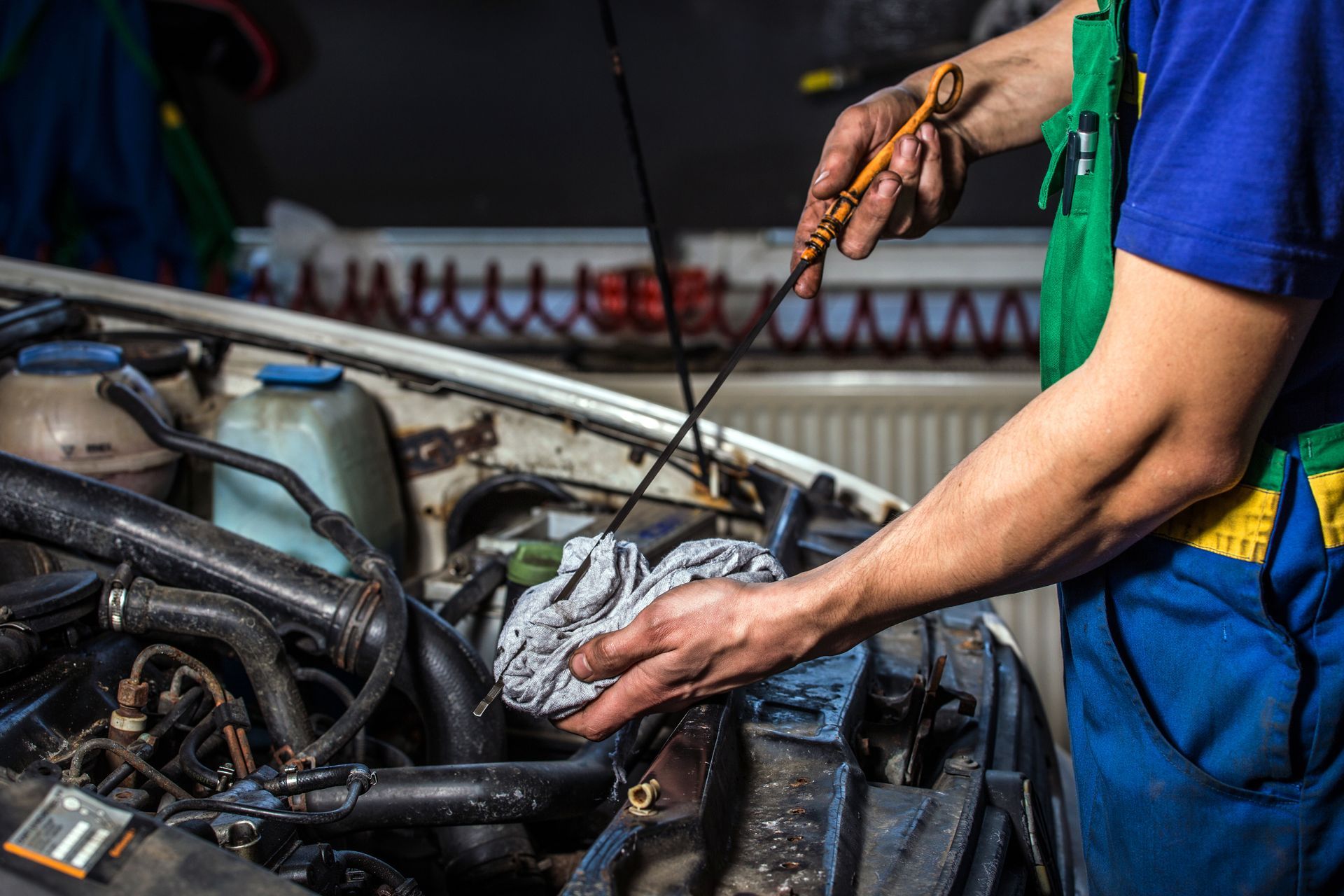
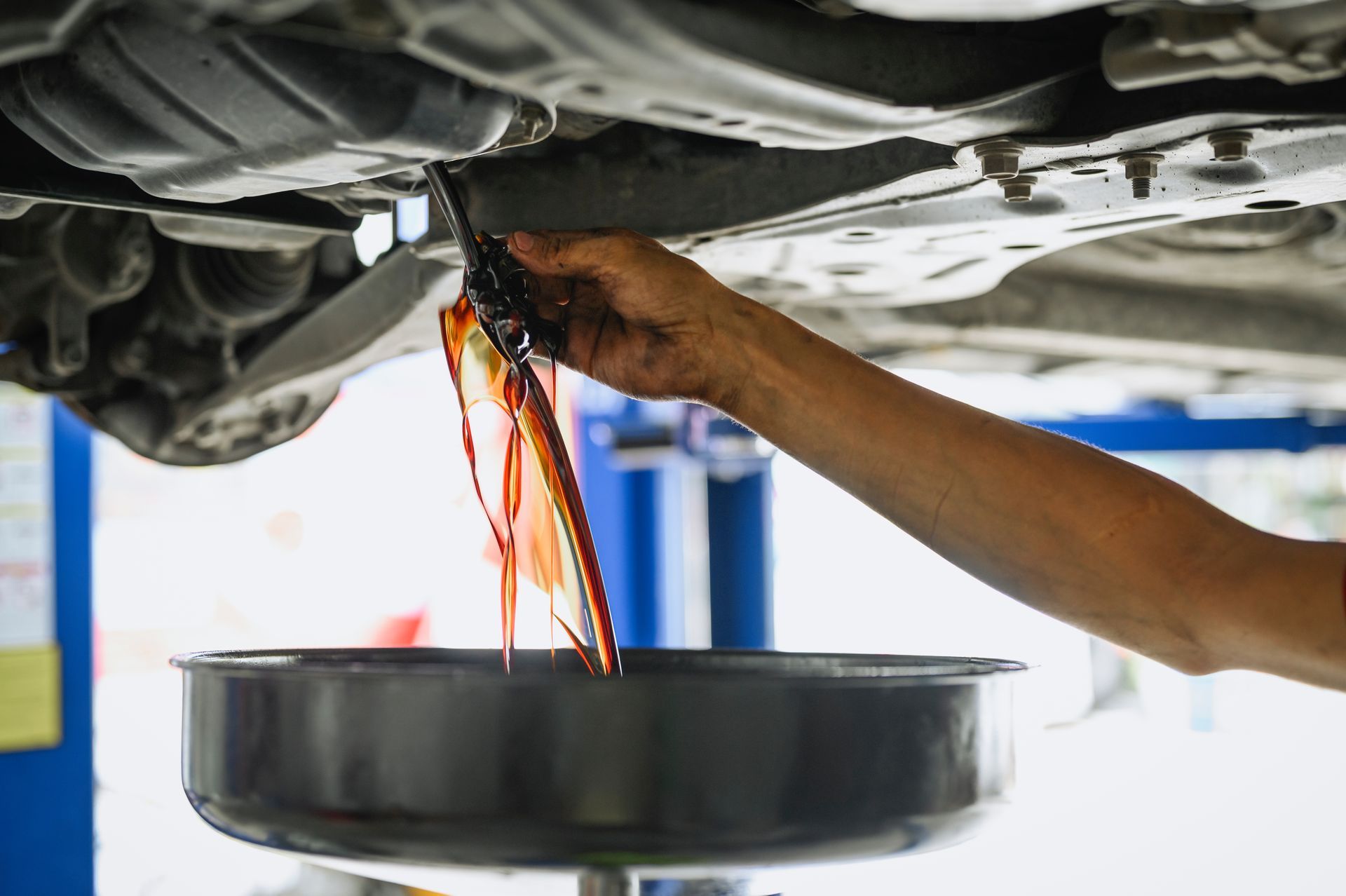
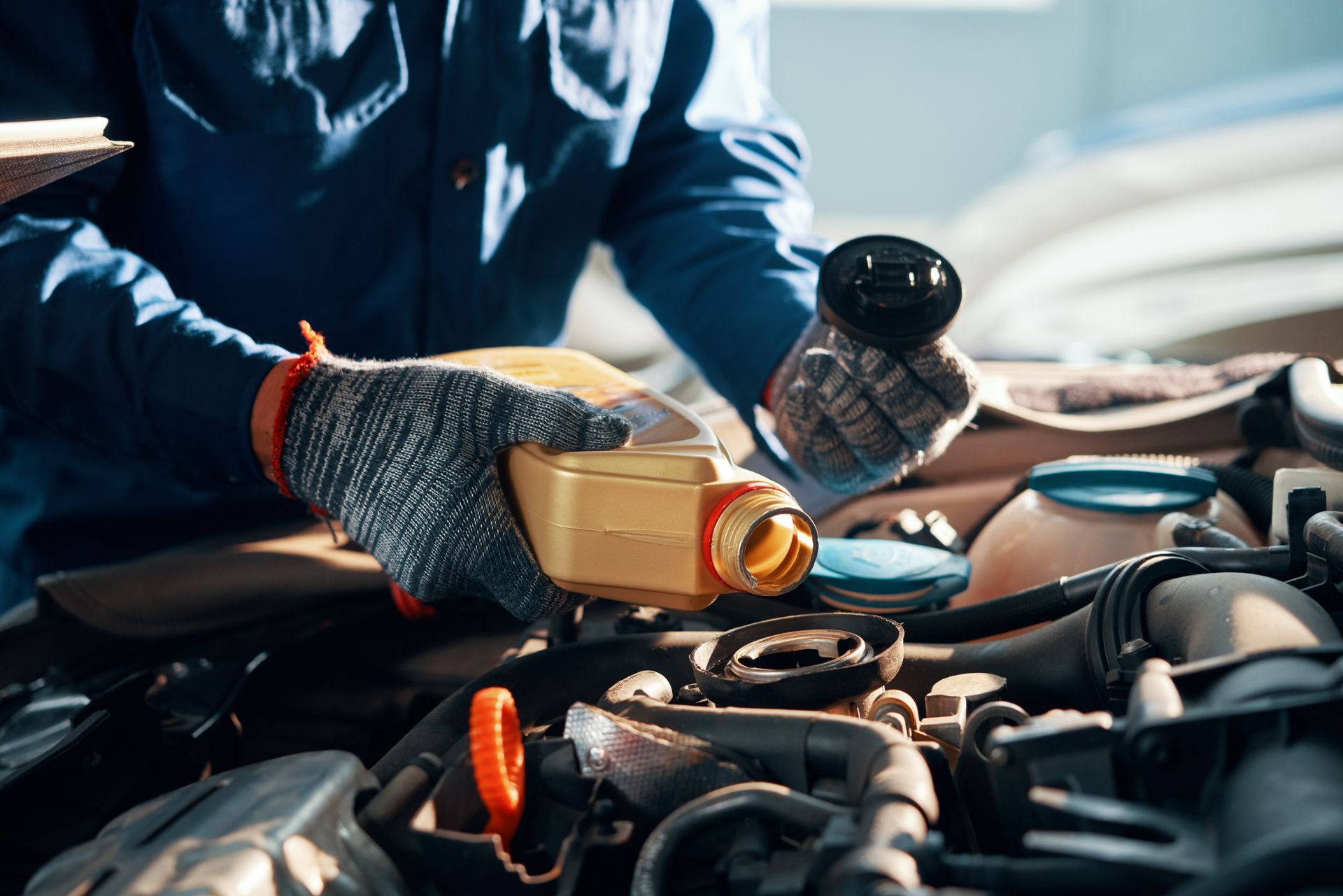
2. Change Oil and Replace Filters
Cold starts in winter can thicken oil and lead to sludge. Spring is ideal for a full oil and filter change.
Checklist Tips:
- Use manufacturer-recommended oil grade.
- Replace the oil filter — always.
- Check and replace the air and cabin filters. (Rodents love making homes in these over winter.)
Expert Insight: Dirty cabin filters reduce AC efficiency and circulate allergens — not ideal as pollen season hits in Wasilla.
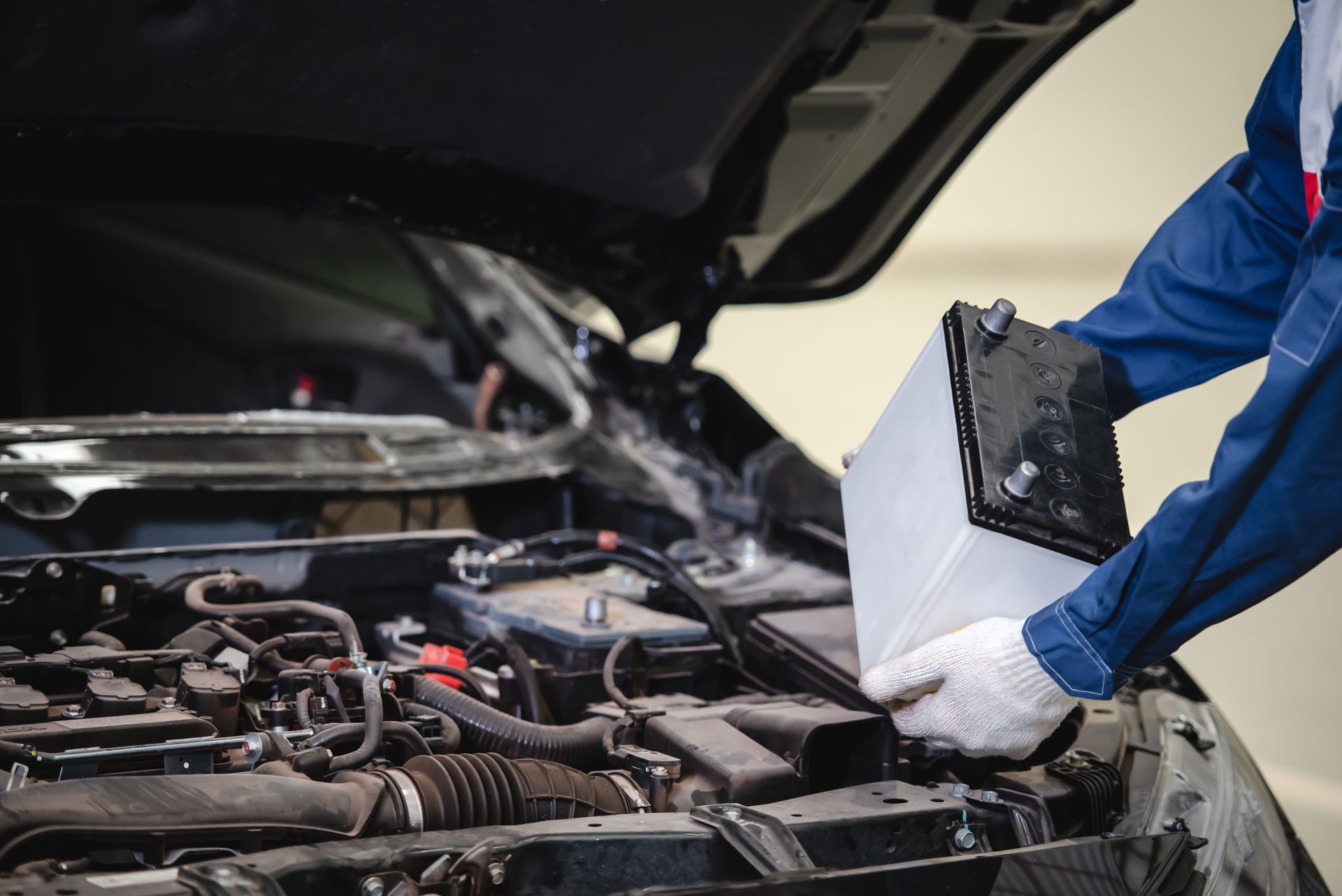
3. Check Battery Health
Alaska winters are hard on batteries. The cold slows chemical reactions, which is why
batteries often fail right as the weather warms up.
Checklist Tips:
- Test voltage and cold-cranking amps (a quick job with the right tools).
- Inspect terminals for corrosion or loose connections.
- Clean battery contacts if needed.
Example: A customer came in last May with a stalling issue — turned out their 4-year-old battery dropped below 10 volts after winter. A new battery solved it instantly.
4. Top Off and Flush Fluids
Low fluids are a silent killer. Winter can cause fluid contraction or unnoticed leaks.
Checklist Tips:
- Check coolant (antifreeze), brake fluid, power steering, and transmission fluid.
- Look for cloudy or burnt-smelling fluids.
- Consider a coolant flush if it’s been over 2 years.
Local Relevance: Wasilla roads are tough — fluid degradation happens faster due to frequent freezing and thawing.
5. Inspect Belts and Hoses
Rubber components become brittle in cold weather. Cracks, leaks, or squeals are warning signs.
Checklist Tips:
- Look for soft spots, bulges, or cracks.
- Squeeze radiator hoses — they should be firm but flexible.
- Check the serpentine belt for wear — it powers many critical systems.
6. Test the A/C System
It might not feel urgent in March, but when Wasilla hits 70°F in May, you’ll want working air conditioning.
Checklist Tips:
- Test A/C for cooling strength and weird smells.
- Listen for strange noises from the compressor.
- Check refrigerant levels (a certified shop can help with this).
7. Examine Brakes
Road salt can accelerate rust on brake lines, rotors, and calipers. Squeaking or grinding means it’s time for inspection — or worse, replacement.
Checklist Tips:
- Inspect pads for thickness.
- Check rotors for scoring or warping.
- Listen during slow stops for noise or vibration.
8. Wash, Wax, and Underbody Cleaning
Salt and grime from winter roads can rust metal components — especially your undercarriage.
Checklist Tips:
- Use a high-pressure wash, especially under the car.
- Wax your vehicle to protect the paint from spring debris and UV rays.
- Touch up paint chips to prevent rust.
9. Check Wiper Blades and Refill Washer Fluid
Spring in Wasilla means mud, rain, and melting snow. You’ll need clear visibility.
Checklist Tips:
- Replace wiper blades if they streak or chatter.
- Use washer fluid rated for spring temps (not just winter de-icer).
The Real-World Cost of Skipping Spring Maintenance
We recently had a Wasilla driver come in with a blown radiator. They skipped a spring checkup, unaware their coolant was low. One overheated engine later, they were out $1,200 — all preventable with a 15-minute inspection.
And that’s the real takeaway: this spring vehicle maintenance checklist isn’t just about “nice to have” — it protects your vehicle.
Why Regular Maintenance Matters
According to AAA, drivers can save an average of $100 per visit by performing seasonal maintenance rather than waiting for major issues. CarMD’s annual Vehicle Health Index reports that the top five check engine issues cost over $400 each — most of which stem from ignored routine care.
Start Spring Smart in Wasilla
Living in Wasilla, Alaska means preparing for everything nature throws your way — from subzero snowfalls to summer sun. This spring vehicle maintenance checklist is your step-by-step guide to making sure your car transitions with the seasons just as smoothly as you do.
If you’re unsure about any of these checks, the team at
EZT Auto and Transmission Repair — led by a Senior Master Technician — is here to help. We’ve lived and worked through enough Alaskan springs to know exactly what your vehicle needs.
Schedule a spring inspection today and give your car the care it deserves — before Wasilla’s summer adventures begin.