When driving through Wasilla, Alaska — whether it’s a quick trip down Parks Highway or a scenic route near Lucile Lake — spotting a dashboard warning light can be unsettling. These lights often raise immediate questions: Is it serious? Can I keep driving? What’s causing it?
Understanding what causes dashboard warning lights to appear is important for any driver. While the exact cause isn’t always clear at first, these alerts are designed to help you identify potential issues early — before they lead to more serious or expensive problems.
In this article, we’ll explore the meaning behind common dashboard lights, the reasons they appear, and the steps to take if you see one while driving in or around Wasilla.
What Are Dashboard Warning Lights?
Dashboard warning lights are built-in indicators that alert drivers to specific issues within a vehicle’s systems. These lights are connected to onboard sensors and the car’s computer (ECU), which monitor everything from engine performance and oil pressure to brake system integrity and battery voltage.
They’re like your car’s way of saying, “Hey, something’s not quite right.”
Some common dashboard lights include:
- Check Engine Light
- Battery Warning Light
- Brake System Light
- Oil Pressure Light
- Tire Pressure Monitoring Light (TPMS)
- Coolant Temperature Warning Light
Each light is color-coded to show the severity:
- Red = urgent and potentially dangerous (stop and assess)
- Orange/Yellow = attention needed soon (schedule inspection)
- Green/Blue = system active or informational (no action needed)
What Causes Dashboard Warning Lights to Appear?
There are many reasons a dashboard light might come on. Some are minor, others are more serious. Here’s a breakdown of the most common causes:
Sensor Malfunction
Modern vehicles rely on dozens of sensors. A faulty oxygen sensor, mass airflow sensor, or wheel speed sensor can trigger a warning light. Sometimes, the problem isn’t the system itself — it’s the sensor misreading data.
Low Fluid Levels
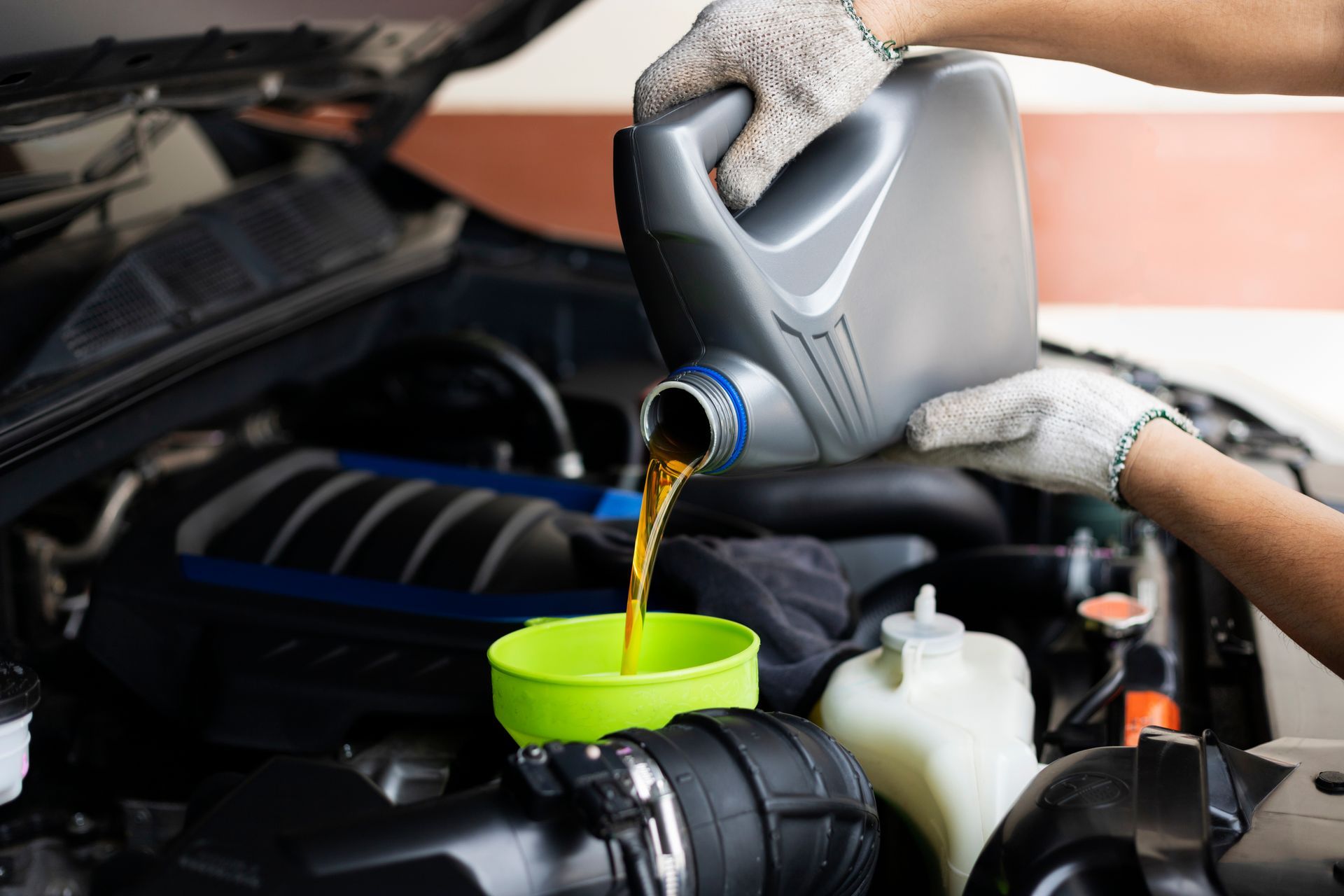
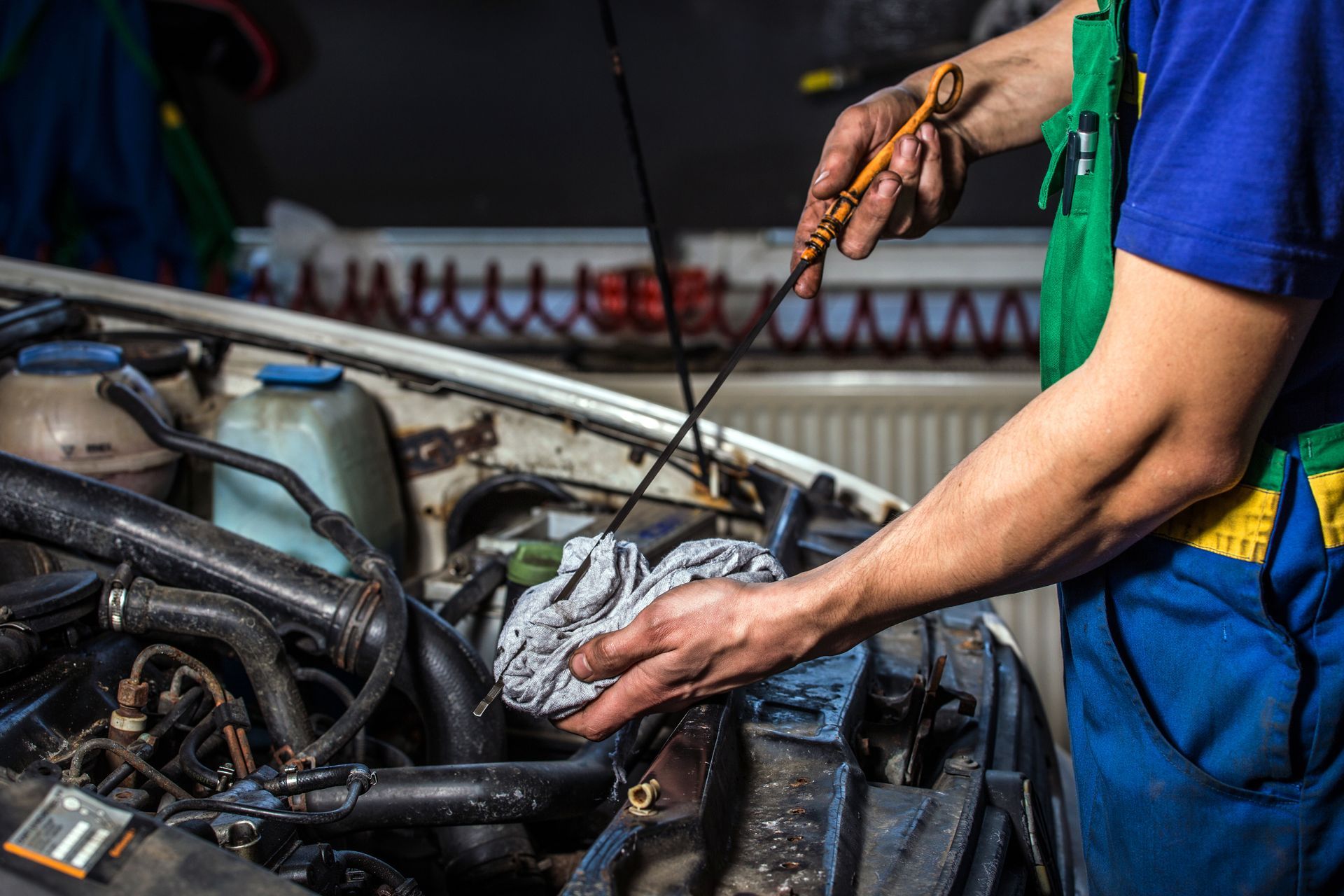
If you’re low on oil, coolant, brake fluid, or transmission fluid, your vehicle will try to alert you. In colder Wasilla winters, leaks or thickened fluids due to freezing temperatures can also cause level fluctuations that trip sensors.
Battery and Charging Issues
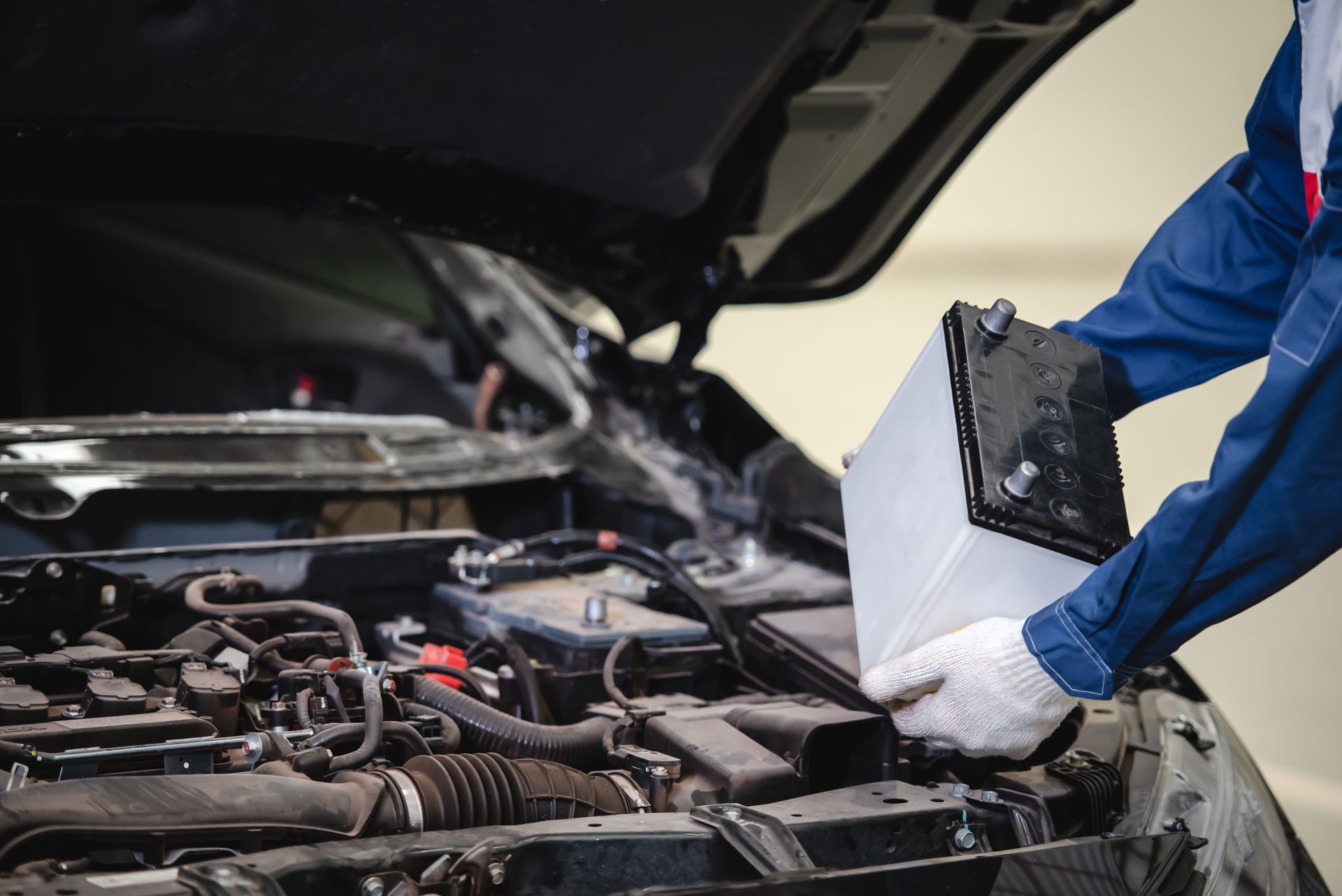
A weak or dying battery — common during long Alaskan winters — can trigger the battery warning light. Faulty alternators or corroded terminals can also prevent proper charging and trip a warning.
Emission System Problems
Issues with the catalytic converter, EVAP system, or fuel injection can activate the check engine light. While the car may still run, ignoring these issues can result in poor fuel economy and failed emissions testing.
Worn or Faulty Brakes
Brake system warning lights may point to worn pads, low brake fluid, or even ABS (anti-lock brake system) issues — all serious safety concerns that need prompt attention.
Overheating Engine
If the coolant temperature warning light comes on, your engine may be running too hot. This can be due to low coolant, a failed thermostat, or a faulty radiator fan — problems not uncommon during Wasilla’s summer months, especially if you’ve been hauling loads or towing.
Why Ignoring Warning Lights Can Cost You
It’s tempting to ignore a dashboard light if your vehicle feels fine — especially when life’s busy and everything still seems to be working. But here’s the problem: dashboard lights are designed to prevent minor issues from becoming major ones.
For example:
- Ignoring a low oil pressure light could lead to catastrophic engine damage.
- Driving with a brake warning light could put you and others in danger.
- Overlooking a check engine light due to a failing catalytic converter can cost you thousands if it leads to further damage.
In Wasilla, where longer distances and harsher driving conditions are common, timely attention is even more critical.
Real Dashboard Light Case from Wasilla, Alaska
A customer recently came into our shop after their check engine light had been on for over a week. They were still driving between Wasilla and Palmer daily and hadn’t noticed any changes in performance — just that annoying little orange light.
Turns out, the issue was a failing oxygen sensor. Left unchecked, it was causing their engine to run rich — wasting fuel and slowly damaging their catalytic converter. We caught it in time, saving them from a much more expensive repair and improving their MPG by 15%.
This kind of scenario happens all the time. A small issue becomes a big one — but it doesn’t have to.
Supporting Data: Warning Light Trends and Repairs
According to a 2023 CarMD Vehicle Health Index, the check engine light remains the most common warning light, and the top five causes include:
- Faulty oxygen sensor
- Loose or faulty gas cap
- Catalytic converter issues
- Mass airflow sensor failures
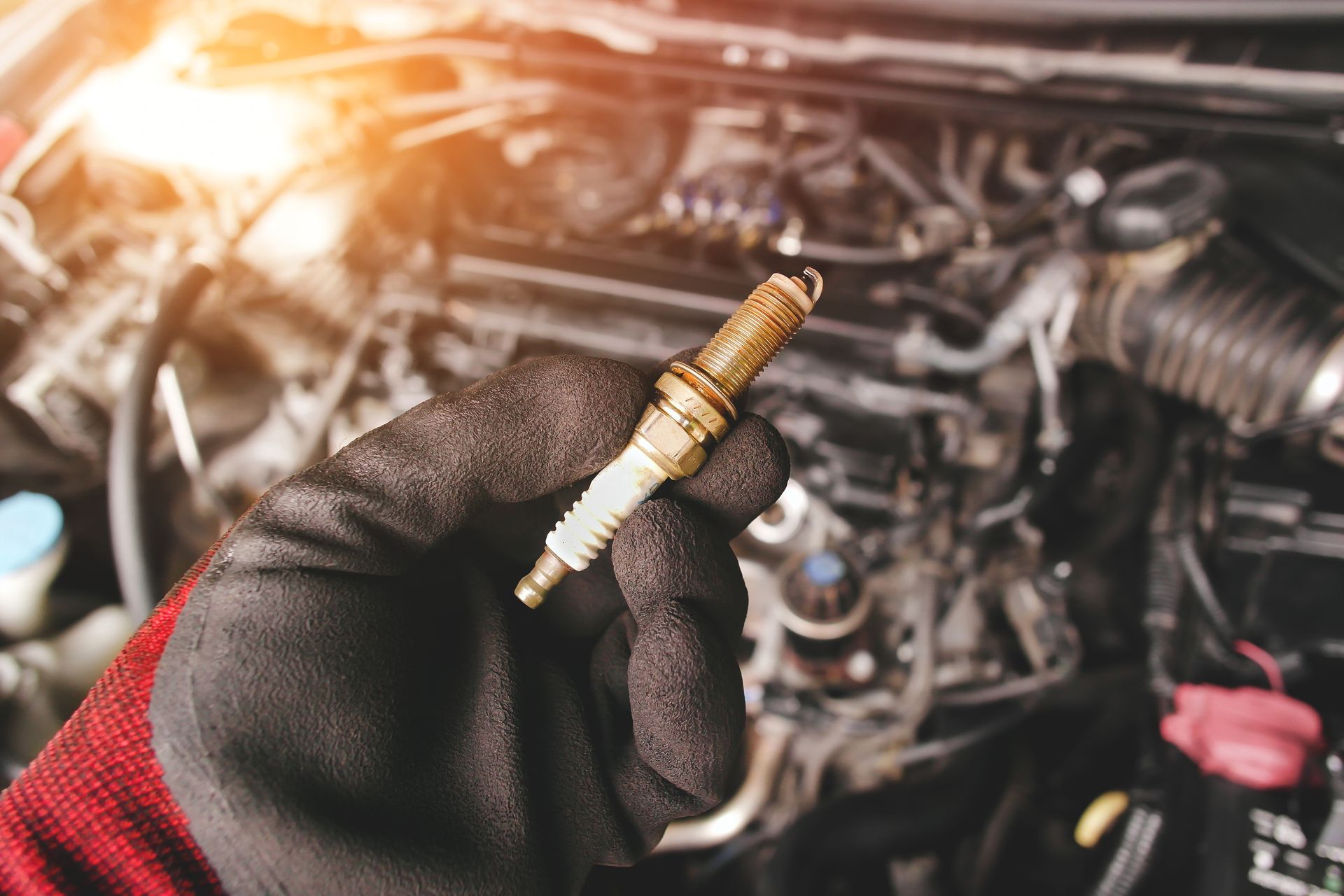
- Ignition or spark plug faults
These issues are typically inexpensive to fix when caught early — but costs can skyrocket if ignored.
In colder regions like Wasilla, battery-related warning lights increase by up to 30% in winter months, and coolant system alerts are also more prevalent due to freezing and expansion-related failures.
What You Should Do If a Dashboard Warning Light Comes On
Here’s a simple guide:
- Red Light? Stop safely. Especially if it’s the oil pressure, brake system, or temperature warning.
- Flashing Check Engine Light? This usually indicates a misfire — stop driving and get it towed.
- Solid Yellow/Orange Light? Safe to drive short distances, but schedule an inspection soon.
- Document What Happened. Note any symptoms (weird noises, smells, performance changes).
- Don’t Clear the Code Yourself. It can erase helpful diagnostic data mechanics needed to solve the real issue.
Keep Small Car Issues from Becoming Big Repairs
Dashboard warning lights are your car’s way of protecting you. They’re not something to fear — just something to listen to. In Wasilla, Alaska, where road conditions, temperature extremes, and long drives are all part of daily life, paying attention to these lights is more important than ever.
At
EZT Auto and Transmission Repair LLC, our ASE-certified technicians are here to help you understand and address warning lights without pressure or upselling. Think of us like your neighborhood mechanic — honest, experienced, and always ready to lend a hand.
Schedule an inspection today if you’ve got a dashboard light causing concern. A quick check now could save you a lot later — and give you peace of mind every time you get behind the wheel in Wasilla.